Many homeowners want a lush, productive yard, but they don’t know how to improve garden soil without chemicals. A healthy garden starts with vibrant, living soil, and by avoiding synthetic fertilizers, you are creating a safe ecosystem where plants can grow strong and naturally fight off disease. Learning to improve garden soil without chemicals isn’t just better for the environment; it’s actually easier and more cost-effective for the gardener.
Why Your Soil Needs Help
You might be asking why your garden soil isn’t already great for planting. There are a number of common reasons why your soil could not be balanced. If your house is new, the builders may have scraped away or compacted the topsoil and never restored it right. Driving lawn equipment over the same locations or walking the same garden paths over and over again will compact the soil, even in well-established yards. This pushes out the air gaps that roots and helpful organisms need.
Compaction and nutrient depletion are common issues. If you want to improve garden soil without chemicals, you must first address how the soil was treated in the past. To improve garden soil without chemicals effectively, you have to stop the cycle of synthetic dependency.
It’s also crucial to know what your soil is like on its own. Sandy soil might drain so quickly that it can’t hold water or nutrients. You could also have clay that is quite heavy and stays moist. A lot of popular garden plants might not be able to develop because the pH level is too low. If you’ve been gardening without adding organic matter often, or if the last owner used chemical fertilizers, you might be working with soil that has lost its natural fertility and the bacteria that help keep it healthy.
How to Find Out What Your Soil Needs
You should learn about what you already have before you add anything to your garden. You should get to know them before you judge them, just like you would with a new friend. First, check the texture of your soil, how effectively it drains, and if you see earthworms when you dig (earthworms are a terrific sign that your soil is healthy and full of life).
Before you try to improve garden soil without chemicals, you must learn about what you already have. A professional test is the most accurate way to improve garden soil without chemicals because it removes the guesswork from your organic amendments.
To get the most accurate results for your specific region, I recommend consulting the USDA Cooperative Extension System. They provide professional soil testing services that help you improve garden soil without chemicals by identifying exactly which minerals your land is missing.
To have a clearer picture of what’s going on, you can check the pH and nutrient levels in your soil. You may buy a soil testing kit that lets you check the levels of nitrogen, phosphate, potassium, and pH directly in your own yard. If you want the most extensive analysis, send samples to your local Cooperative Extension program or a place that tests soil.
How to Get a Good Sample
The most critical component of receiving good test results is getting a sample that accurately shows what your soil is like. This is the appropriate method to accomplish it: To start, clear away any debris or mulch from a small area on the surface. To get a core or slice of soil, dig down using a stainless steel trowel or a soil probe. Dig about 6 inches deep in flower beds and 4 inches deep in grass areas.
Do this at 10 to 15 different spots in the area you’re looking at, and then put all the samples in a clean plastic or stainless steel container. This sample gives you a better idea of the average condition of your soil as a whole, not simply the weird things that happen in one place.
Brass, galvanized steel, or soft steel instruments should not be used, and you should not touch the soil with your bare hands. These can add small amounts of minerals to your sample, which can change the test results.
Put some of the mix in the bag or container that the testing facility gives you once you’ve mixed your samples. Then fill out the form and send it in. Make sure to write on the form that you want ideas for organic changes. This will make sure that the advice you get back will work with how you garden.
That’s fine; it takes time to make soil better.
There is no quick fix for improving your soil naturally. Artificial fertilizers make plants grow quickly, while restoring soil naturally takes years and makes it more fertile for a long time. You’re using nature to build a system that can survive and take care of itself. Don’t worry, your plants won’t perish while you work on improving the soil.
You can use organic fertilizers to meet their immediate nutrient needs while your soil restoration program works on a deeper level.
If your soil test shows low phosphorus, bone meal is the best organic treatment. Phosphorus is needed for roots to become strong early in the season and for flowers and fruit to thrive later on. Calcium is necessary for plants to create new cells and do other critical activities.
Bone meal contains calcium. Blood meal is a rich supply of nitrogen, which is the nutrient that causes plants grow thick and green. Not only does it feed your plants, but it also assists the healthy organisms in your soil that make it fruitful.
Adding garden lime to soil that is too acidic (which is typical in many gardens) will gently bring the pH up to the optimal range of 6.0 to 6.5, where most flowers and vegetables perform well. A lot of professional organic gardeners are putting biochar in their beds these days, so you might wish to do the same.
When you burn forests in a way that is good for the environment, you get this by-product that helps soil hold on to water and gives plants the good bacteria they need to develop.
The Power of Organic Matter
Improving your soil is the first step toward a beautiful yard. Once your dirt is nutrient-rich, you’ll be ready to learn how to grow flowers and vegetables together to maximize your harvest and color.
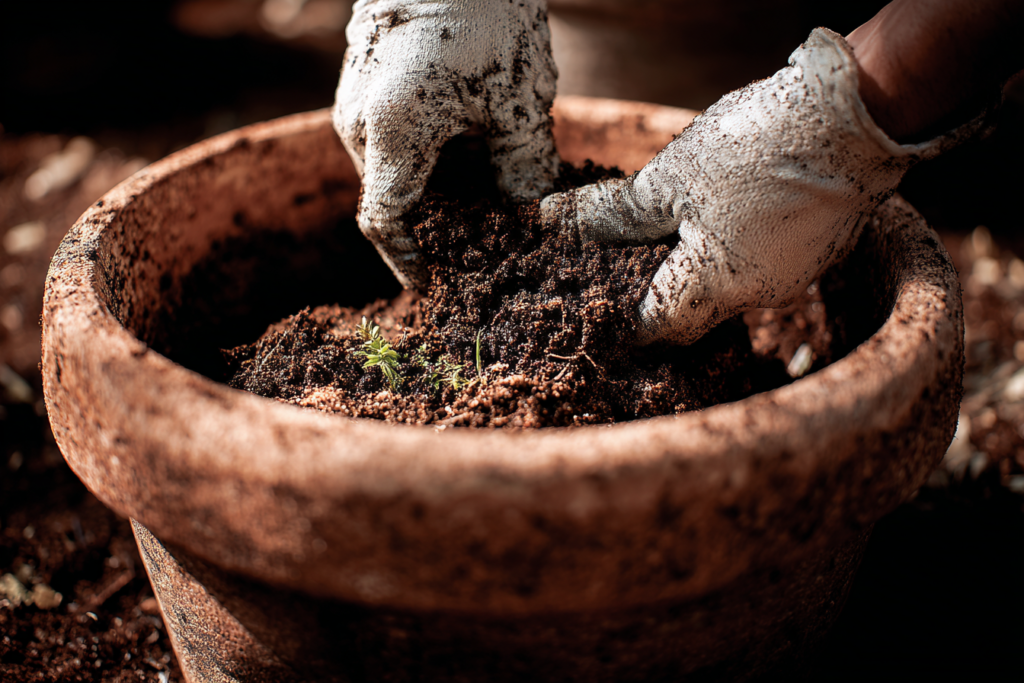
The best thing you can do for your soil is to add additional organic matter to it. This makes the soil more stable, helps heavy soils drain better, helps sandy soils hold on to moisture, and feeds the whole subsurface ecology of bacteria, fungi, and other creatures that make soil healthy and productive. Adding organic matter can also help repair mineral deficiencies over time and even adjust the pH of the soil naturally.
Adding compost is the single best way to improve garden soil without chemicals. This organic matter feeds the subsurface ecology, which is essential when you aim to improve garden soil without chemicals over the long term.
The greatest organic amendment you can add is finished compost, which is a rich mix of broken-down organic elements. There are a lot of other good options, though. Manure that has been laying about for a while (make sure it’s well-composted so it doesn’t burn plants) gives plants nutrients and organic matter.
You can acquire free chopped leaves that are beneficial for the soil if you have trees. Straw is an excellent technique to keep soil moist and make it better. When grass clippings break down, they add nitrogen. Just make sure to spread them out thinly so they don’t get matted down. Peat moss can help, especially in sandy soils, but gardeners are seeking for more eco-friendly solutions, so it’s not as popular as it used to be.
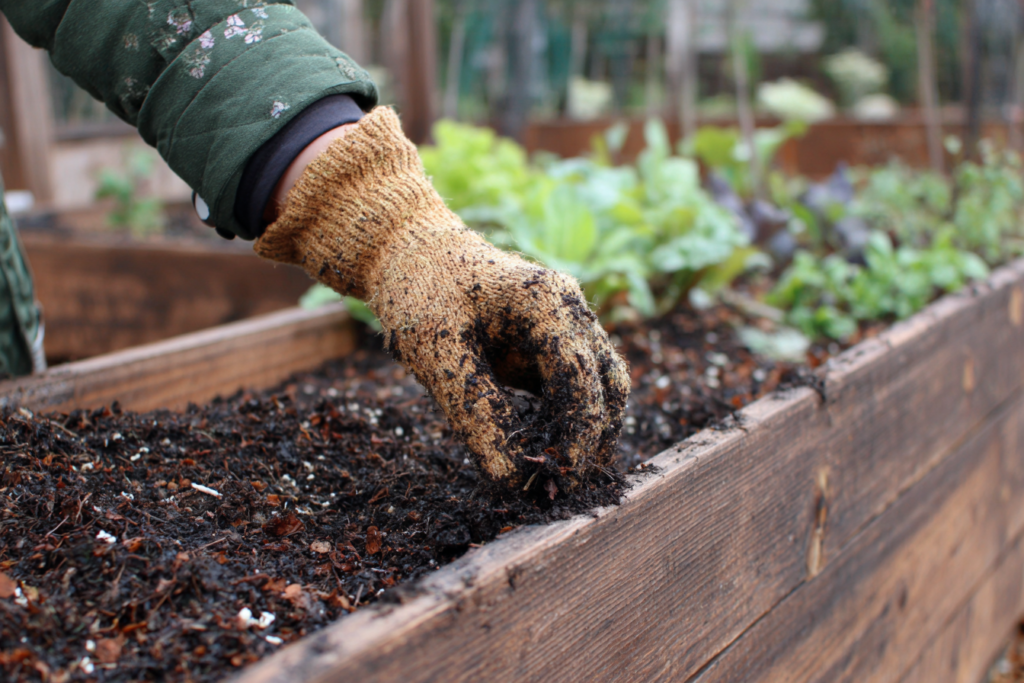
In the fall or early spring, mix these things into your beds, or use them as mulch and let earthworms and other soil critters slowly drag them down into the ground. Every year, the most important thing to do is add more organic matter. This is a process that will take time, not a quick fix.
Bringing Life Back to Tired Soil
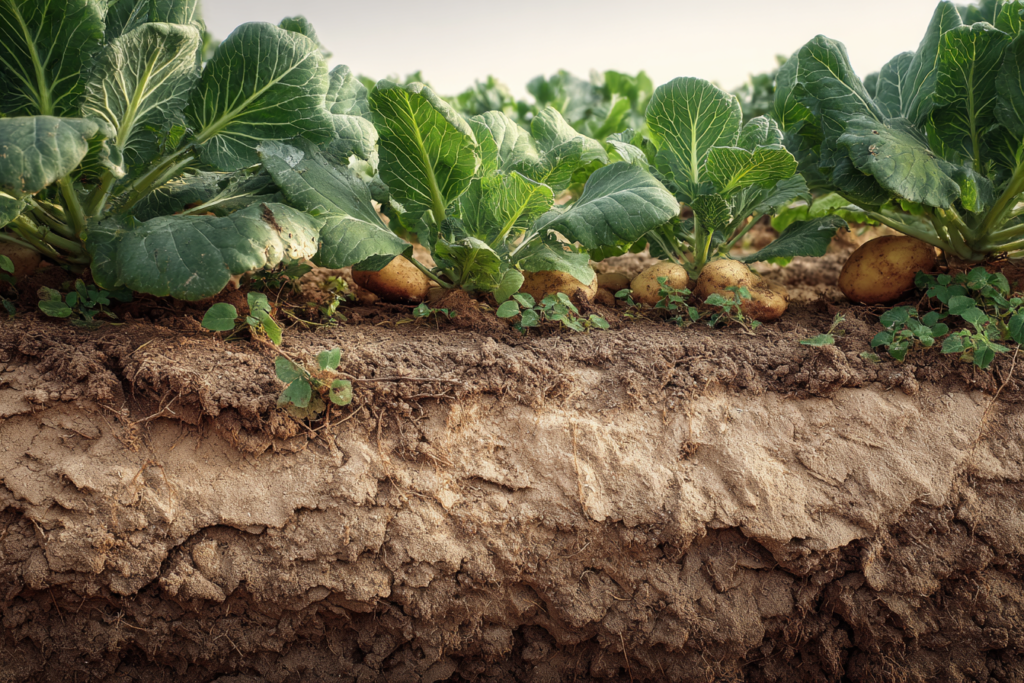
If you convert from chemical gardening to organic gardening or if you get a garden that has been treated with pesticides, your soil may not have a lot of living things in it. The microorganisms that should be thriving there may have died or been pushed back. Using bacterial cultures that are developed to speed up composting and get soil life going could aid these groups that are having a hard time.
These cultures are usually dry and powdery. Bacteria wake up and start working when you add water to the soil or compost pile and disseminate them about. But you have to keep giving them organic materials, or the benefits won’t last. This is how you should think about it: you’re not only adding microorganisms; you’re also giving them a place to live for a long period.
Don’t worry too much if you don’t see a lot of earthworms in your garden right now. If you add organic elements on a regular basis, they will come back. Earthworm eggs can lay latent in the ground for up to 20 years, as deep as 20 feet, until the right conditions are met. A lot of traditional gardeners use chemical fertilizers that work fast to keep earthworms away. Earthworms don’t like it when these fertilizers dissolve in water and penetrate into the soil. When you switch to organic methods and your soil gets better, you’ll see more earthworms. You only have to wait.
When to Add Some Minerals
Adding organic materials like rock phosphate, greensand, or kelp meal can help with some pH difficulties or mineral shortages. But here’s a major warning: only add these substances if your soil test advises to. You could think that more is better if a little is great, but that’s not how it works. Even a natural mineral supplement can give a plant too much of a certain nutrient, which could damage the plant or make it harder for it to get other nutrients it needs.
When you obtain the findings of your soil test, be sure to do precisely what they say. The lab will tell you exactly how much of each amendment to add based on the type of soil you have and what you want to grow. This makes the process easier and helps you avoid making costly mistakes.
The Road to Healthier Soil
You now know the basics of how to make soil healthy without using chemicals. Test your soil first to see what you’re working with. Adding organic matter on a daily basis is important because it’s the foundation for everything else you’ll do. Use organic fertilizers and other things as needed based on your test results. Also, check to see that the good organisms in your soil have the necessary conditions to grow. If you are patient, your garden will reward you with stronger plants, more fruit, and less problems in the future.
Author: Clara