Your summer garden’s huge crop of fresh veggies won’t last forever, but learning how to dry vegetables is one of the easiest methods to keep them fresh all winter. By drying your harvest, you can use those peppers in soups and stews, add sun-dried tomatoes to pasta sauces, and enjoy crispy kale chips all season long. You can successfully keep your vegetables for six months to a year if you have fresh produce, a drying technique, and a little time.
Proper preparation is the most important step when learning how to dry vegetables so that they remain shelf-stable.
Things You Need for How to Dry Vegetables Effectively
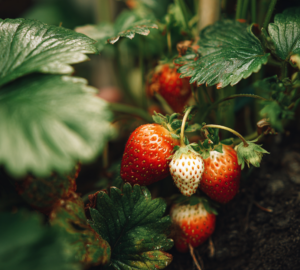
Fresh vegetables at their best: Dehydrating makes flavors stronger, so any bad tastes from food that is overly ripe or damaged will be considerably stronger after it has dried. Pick vegetables in the morning, before the sun strikes them, when their oils are at their strongest. Tomatoes, sweet and hot peppers, zucchini and other summer squash, onions, okra, and thick-leaved greens like kale and collards are all great things to dry because they have a lot of water and meat in them.
A way to dry things: Electric dehydrators with built-in fans and thermostats are the easiest choice because they keep the air moving and the heat down all the time. Your oven works OK, although it takes longer (convection ovens with fans speed things up). Sun drying has been used for a long time in arid places where the temperature is around 86°F and the humidity is below 60%. Most of the time, air drying at room temperature doesn’t work unless the temperature is just right, the humidity is low, and there is enough air flow. Most homes with air conditioning are too cool for food to dry rapidly enough to keep it from going rotten.
Basic supplies: To dry something in the oven, you’ll need baking sheets with parchment paper on them and an oven thermometer to make sure the temperature is right. Use flat trays and thin cheesecloth to keep pests away when drying in the sun. You will also need sealed containers to keep them in. Freezer bags made of plastic, canning jars, or containers with tight closures that go in the freezer all work nicely.
When to Pick for Drying: When you preserve veggies, timing is really important. Before the sun heats them up and the dew dries up, pick your crops early in the morning. At this time, the volatile oils that make veggies smell and taste good are at their strongest. You want your vegetables to be ripe, but not too ripe. It’s better to have them a little underripe than overripe when you dry them.

Getting Your Veggies Ready to Dry
First, wash your fruits and vegetables well. Then, let them all dry completely on paper or cloth towels. All of your vegetables should be the same shape, size, and thickness. This is very crucial. This makes sure that all of them dry at the same time, so you don’t end up with some that are wonderfully crisp and others that are still wet.
The best approach to dry veggies is to blanch them beforehand. A easy approach to keep the colors and flavors of veggies while they dry and are kept is to put them in boiling water for a few minutes and then ice-cold water for the same amount of time. The hot water kills bacteria that could be harmful and slows down enzymes, which can change the taste and texture of your dry vegetables over time. The cell structure also gets a little softer, which makes it simpler for moisture to leave. This means that your vegetables will dry out and get moist again faster when you need them.
Put a quart of water and 1/4 teaspoon of citric acid in a pot to blanch most veggies. Blanching veggies takes varied amounts of time. For example, asparagus, spinach, and kale take four to five minutes, while other veggies may take more or less time. After blanching, make sure to drain everything fully before putting it on the trays to dry.
For a complete list of specific blanching times for every garden crop, refer to the National Center for Home Food Preservation.
This time, the tomatoes are not the same. You can also steam them or put them in hot water for a brief period to get the skins off instead of blanching them. After that, put them under cold water to cool them off. You can either cut them into 3/4-inch-thick slices or peel them and cut them into 1/2-inch-thick chunks. A brief dip in a mixture of 1 quart of water and 1 teaspoon of citric acid for 10 minutes helps keep their color.
3 Ways to Dry Vegetables (Oven, Dehydrator, Sun)
Using an Electric Dehydrator: This is the easiest way. Put your prepared vegetables on the dehydrator trays according to the manufacturer’s directions for time and temperature. The thermostat keeps the temperature low and stable, usually between 125 and 135 degrees Fahrenheit for most veggies. The fan that comes with it moves the air around.
Using an Electric Dehydrator: The Easiest Way How to Dry Vegetables
Drying in the Oven: Place the cut vegetables on baking sheets lined with parchment paper, making sure there is enough room between them so they don’t touch or overlap. The lowest setting on your oven is usually between 140 and 150 degrees Fahrenheit. To let the moisture out, the most crucial thing is to keep the oven door open 2 to 3 inches. To acquire an exact temperature reading, you need to set the oven thermometer right on the racks. There should be at least three inches of space at the top and bottom of the oven and two and a half inches between the trays. Every 30 minutes, move your trays around to make sure everything dries evenly.
Sun drying: is a conventional method that works well when the weather is perfect. The temperature must be at least 86°F and the humidity must be below 60%. If the humidity goes up, your vegetables can get moldy before they dry. Put your tomatoes or other vegetables on flat trays so they don’t contact one other. This will keep bugs away. After that, put a thin layer of cheesecloth over them. This method needs several days of nice weather.
While modern tools are faster, sun drying is the most traditional method for how to dry vegetables in arid climates.
When your vegetables are hard or crispy, they’re done. The veggie has a strange feel to it. Asparagus should be leathery to brittle, and greens like spinach and kale should be crisp. Depending on how thickly you’ve sliced them and how you’re drying them, most vegetables will be totally dry in six to twenty-four hours.
To ensure your home-dried foods are safe to eat, follow the USDA guidelines on food dehydration.
How to Keep Your Dried Vegetables Safe
Once you have finished the process of how to dry vegetables, proper storage becomes your next priority to prevent spoilage.
Let your vegetables cool down all the way before you put them away after they are totally dry. This stops moisture from entering into your storage containers, which could make the food go bad. Put the vegetables that have cooled down in clean, sealed containers. Some nice options are freezer bags, canning jars, or containers with lids that fit tightly.
Store everything in a cool, dark place, such a cupboard or pantry. During the first week or two, check your containers often for signs of moisture. If you see condensation but the vegetables aren’t spoiled, you may either use them straight away or dry them again and place them in a fresh bag.
Think about how you will use your dried vegetables before putting them in a bag. When you open a container, the objects within are exposed to air and moisture, which might cause them to spoil over time. If you pack single portions or the exact amounts that your favorite recipes call for, you won’t have to open the same container over and over again.
How to Use Your Dried Veggies
Knowing how to dry vegetables is only half the battle; knowing how to properly rehydrate them for soups and stews is where the flavor truly returns.
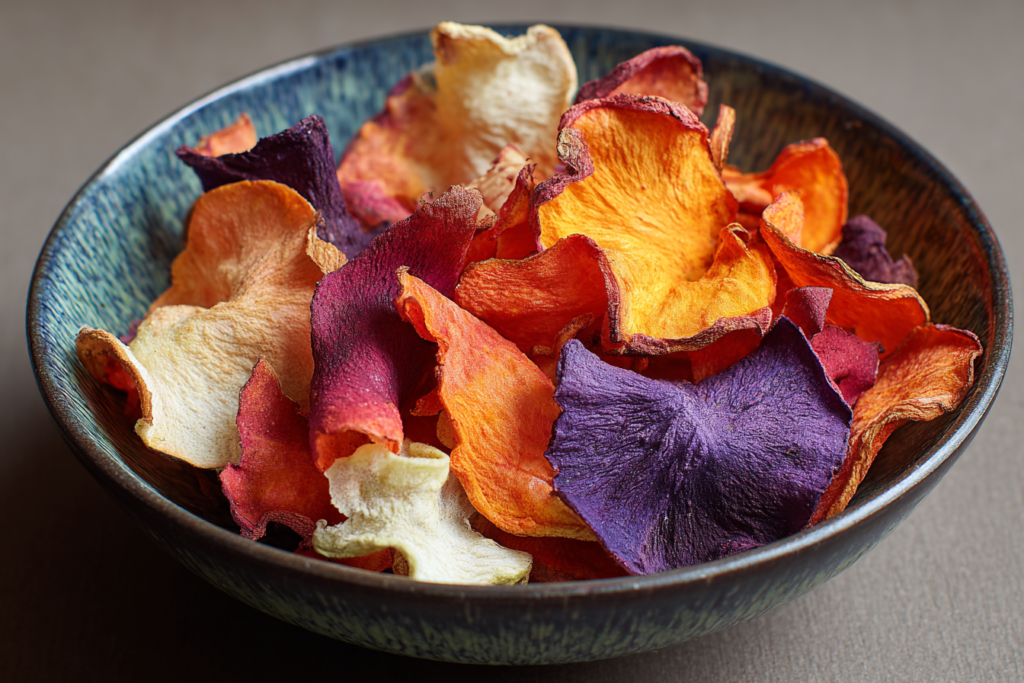
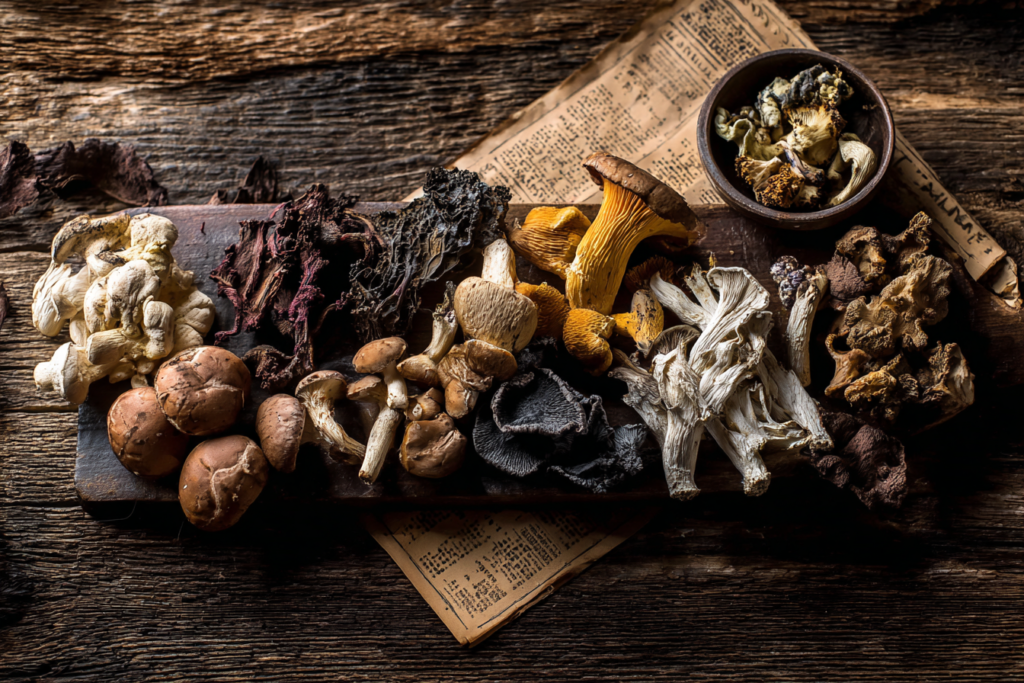
It’s time to have some fun with the food you saved. Some dried vegetables, like kale chips, taste great as crunchy snacks right out of the jar. Some foods, including mushrooms and most root vegetables, taste better after they’ve been in water for a while.
It depends on what you’re creating how you refresh dried vegetables. Just pour hot water over leafy greens like spinach, kale, cabbage, or chard and let them cook until they are as soft as you want them to be. Tomatoes are the same way. Soaking root vegetables, stem vegetables, and anything from the seed family, like corn or peas, in cold water for 30 minutes to an hour and a half before you cook them can make them taste better. This makes them look more like they did when they were first made.
You can even skip the stage of rehydrating and instead add dried vegetables to casseroles, soups, or stews right away. As your meal cooks, they’ll soak up the liquid and get bigger. For every 4 cups of liquid, use 3/4 to 1 cup of dry vegetables and any spices you like. Cook everything on low heat for about 20 minutes, or until the vegetables are done but still have a little crunch to them.
It’s also quite simple to dry herbs from the garden. Put them in small groups and tie them together. Then, hang them up to dry in a cool, dry place that doesn’t get direct sunshine. The leaves start to break down after a week or two. Put the herbs in a basin and break them up. Then, put the pieces in jars so you may use them as spices all year long.

Fun Ways to Use Dried Veggies
Don’t only think about the soup pot. Adding dried tomatoes to pizza toppings, bruschetta, or pasta sauces makes them taste better. You may make your own spice blends by grinding up dried peppers, both sweet and hot. You can also soak them in water and use them in chili, enchiladas, and stir-fries. When you grind up dried zucchini and summer squash, they make muffins and quick breads taste better than you might anticipate. You may also make vegetable leathers by pureeing cooked veggies, spreading them out on trays in a dehydrator, and letting them dry until they are soft. These are great for quick, healthy meals or snacks on the go.
You can keep most of the minerals and B vitamins in veggies if you dry them the appropriate manner. You can consume them months after the garden has stopped growing. You now know how to turn all the food you have left over from the summer into a pantry that will last you through the winter. If you’re new to dehydrating, start with tomatoes or peppers. They are easy to use, and the results are so amazing that you’ll want to do more.
Now that you know how to dry vegetables, you can turn your summer leftovers into a pantry that lasts all winter. Start with tomatoes or peppers, and you’ll see how easy it is to preserve your garden’s bounty.
Author: Clara