There’s nothing like going outside to cut fresh basil for your pasta or smash some mint leaves into your iced drink on a hot afternoon. When you grow your own herbs, you’ll always have robust, fresh flavors on hand. You’ll immediately see why dried herbs from the supermarket can’t compare.
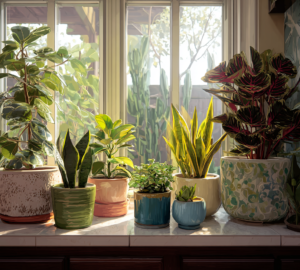
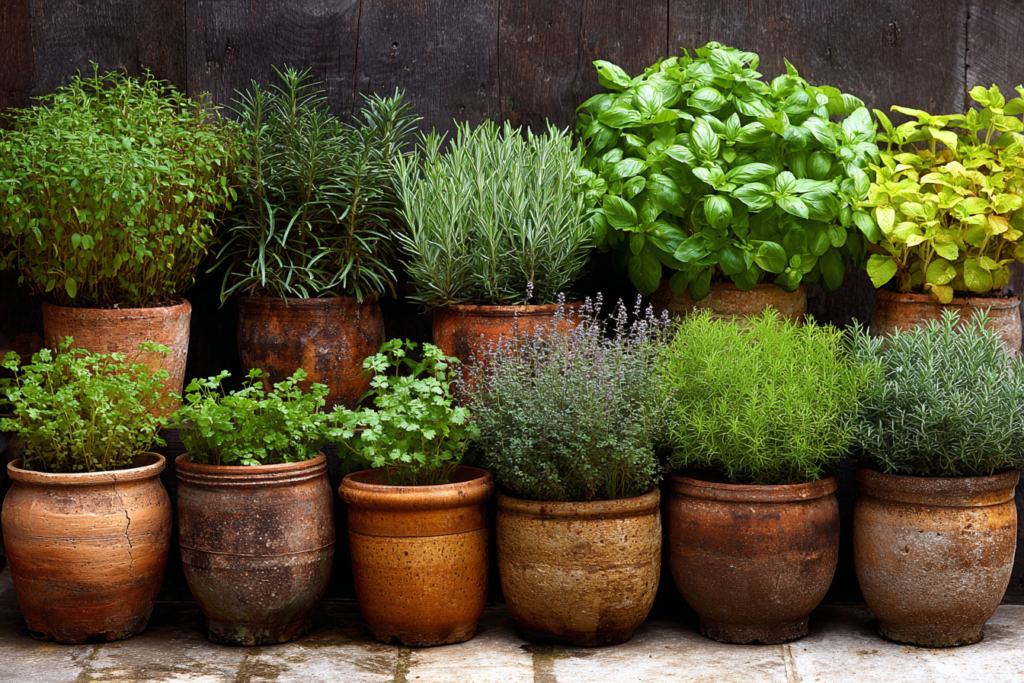
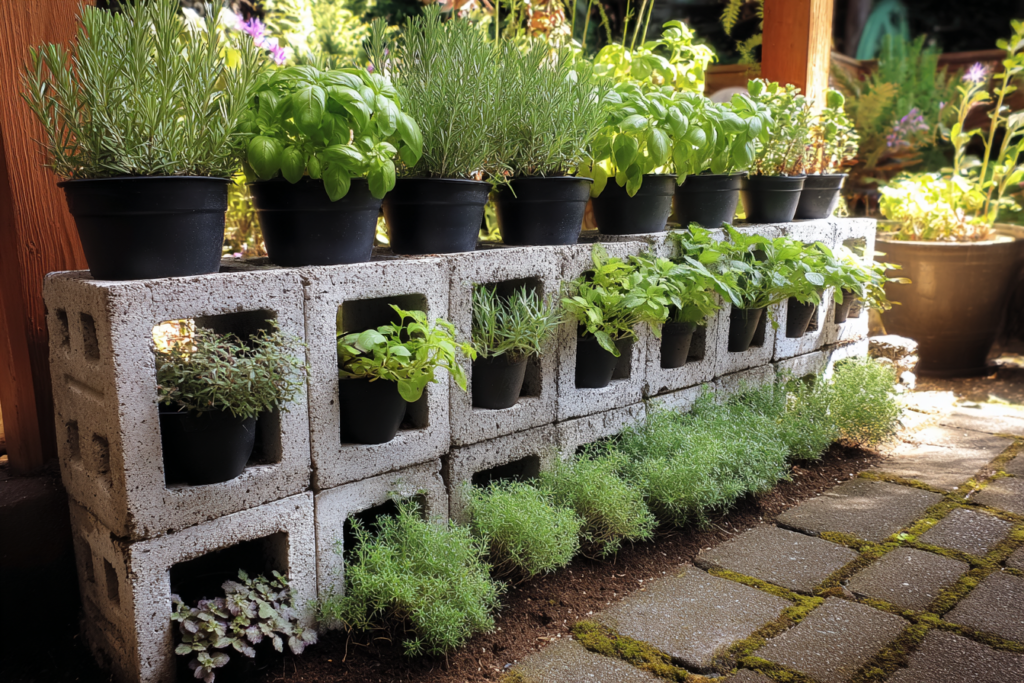
Here’s a list of 13 herbs that should be in your growing space, whether you have a sunny windowsill, a patio container, or a whole garden bed.
The Classics of the Kitchen
Basil is the starting point for most growers. You probably think of Genovese basil when you think of basil; it’s the Italian favorite that makes the best pesto. This herb is great for both new and expert gardeners because it is so easy to care for. You can grow basil in the ground, in pots, or even on a ledge, but it needs full sun. For specific timing, check the USDA Plant Hardiness Zone Map to ensure the frost threat has passed in your area.
Oregano is another easy-to-care-for plant that grows well with little care. You can grow it inside, in pots outside, or straight in the ground. If you are just starting out, you might find our Beginner’s Guide to Soil Preparation helpful to ensure your oregano has the right foundation. Once the weather warms up, you can transplant the seedlings to add flavor to Mediterranean cuisines.
There are two primary sorts of parsley that you should know about. People think of curly parsley as just a garnish, but it has a lot to offer because its flavor is softer. Flat parsley, which is also known as Italian parsley, has a stronger flavor, which makes it a must-have for marinades, salad dressings, and finishing dishes.
This common herb is great for gardeners of all abilities and may grow indoors, in pots, or in garden beds. You can start seeds inside eight to ten weeks before the last frost date. After that, you can either straight sow or transplant seedlings. As a bonus, parsley draws in good bugs that keep your other plants safe from pests.
Chives give your food that unique allium flavor. They are in the same family as garlic, leeks, and onions. The purple pom-pom flowers and hollow stems both contribute taste to food, and they’re quite easy to grow. If you plant chives inside, on a patio, or in your yard, all you have to do is give them full sun and they’ll offer you continuous harvests all season long.
Herbs for Drinks and Tea
Mint is almost impossible to kill; in fact, your biggest problem will be keeping it from spreading. This fast-growing plant will soon take over a garden plot if you don’t clip it back often. It’s best to grow it in an indoor herb garden or an outdoor container where its subterranean runners (rhizomes) can’t go too far. Don’t just go to the conventional peppermint. Try unusual flavors like Peppermint Chocolate or even Pineapple Mint. Mint spreads through its rhizomes, therefore it’s best to buy a starter plant instead of seeds. You may always save extra for mojitos in the middle of winter if you have more than you can use right away.
If you like tea, chamomile is a great complement. There are two primary types of this herb: German and Roman. The flowers are small and white, like daisies. Both smell and taste great, and you can grow either in pots. German chamomile is an annual that grows quickly and is a wonderful choice for beginner gardeners because it’s easy to grow from seed. Roman chamomile is a ground cover that comes back year after year and spreads. You may grow German chamomile in a pot or in the ground.
Lemon verbena is a must-have for every outdoor herb garden since its leaves taste so much like lemons. You can plant it next to shrubs, use it as a border, or grow it in a big pot and let it be the main attraction. In Zones 8 and higher, this tropical plant acts like a perennial. If you live in a colder area, though, you’ll need to bring it inside for the winter. If you direct sow, the plant won’t have enough time to grow to its full size by the end of the season. Instead, start seeds indoors or move a starter plant outside. The leaves that attract pollinators are great in marinades or steeped into a spicy tea.
Favorite Foods from the Mediterranean
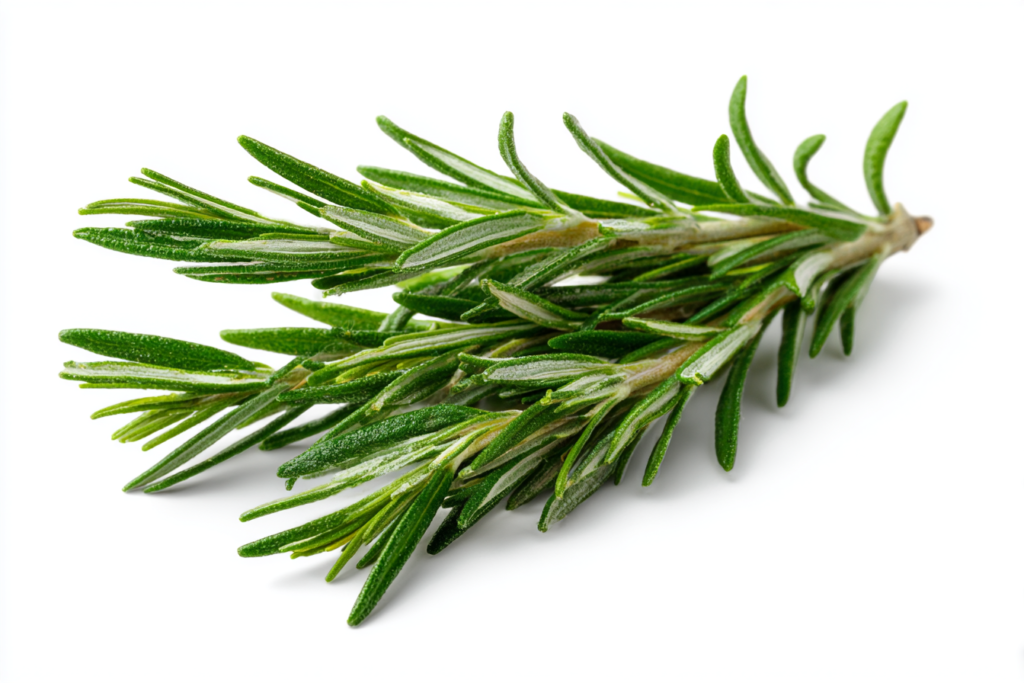
Rosemary will get you ready for a winter full of hearty, flavorful soups, stews, and meat meals. This plant comes from the Mediterranean and likes to grow in warm weather. It works well in both containers and garden beds. Make sure the dirt in the containers drains effectively. You may even use a succulent mix for these plants because they like drier circumstances. Rosemary is a hardy plant that any gardener can grow well, as long as they meet its soil needs.
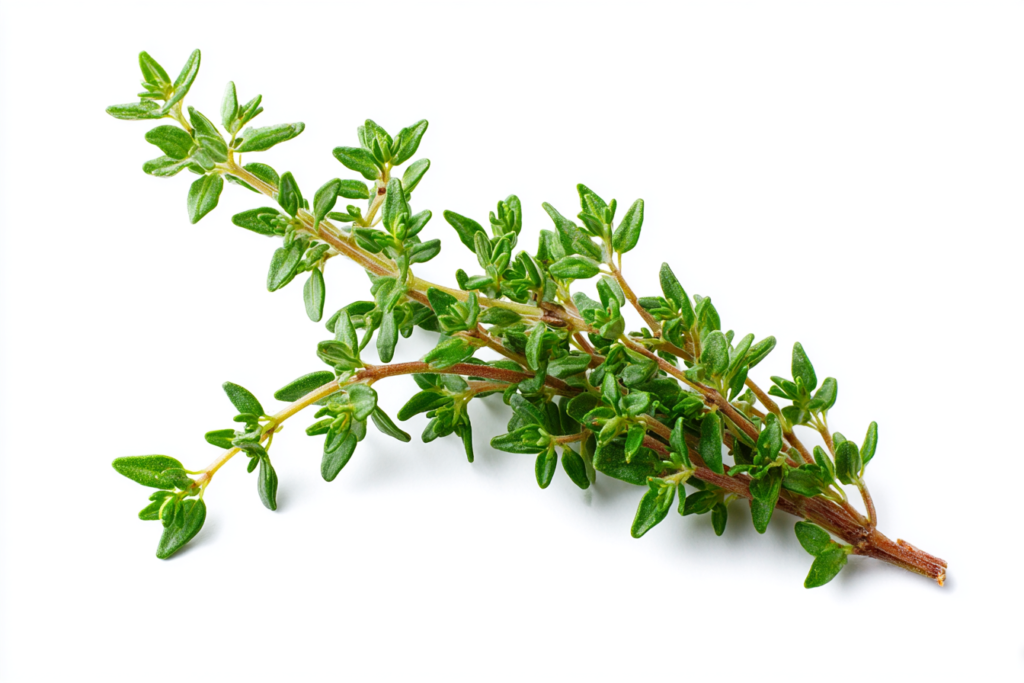
Thyme is great for people who are just starting out or who don’t have a lot of room. It will fit very well indoors or in a patio planter, and it won’t take over your growing area. Start seeds six to eight weeks before the last frost date in your area, or move a seedling outside when the weather gets warmer. Thyme needs full sun and soil that drains well. When you utilize it, you’ll feel like a pro in the kitchen because it has a classic, earthy taste.
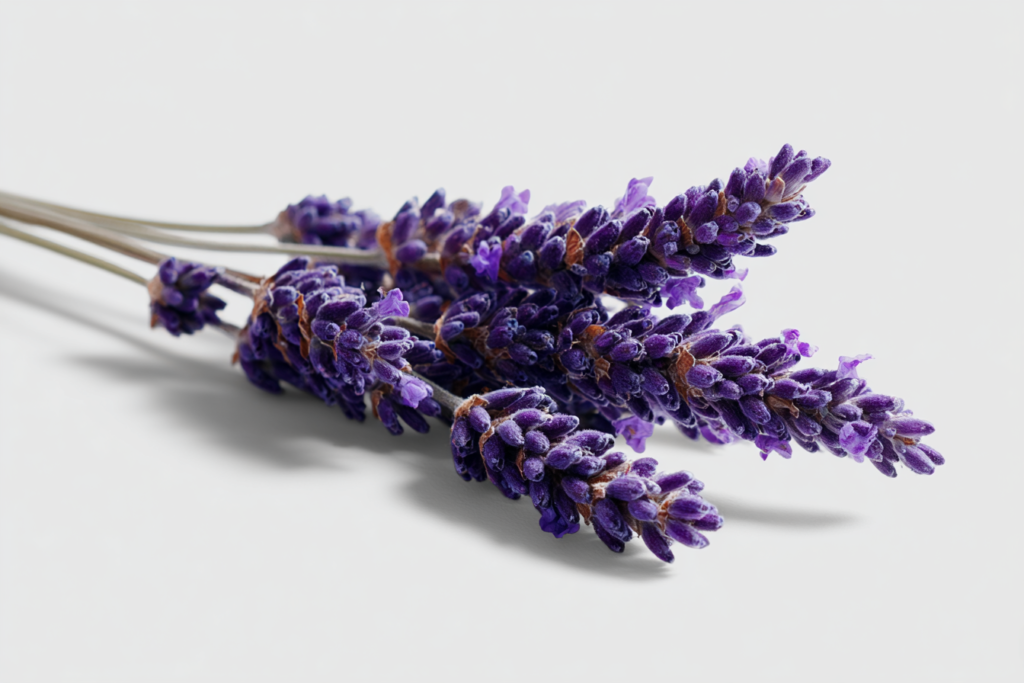
Lavender is a plant that is beautiful, smells good, and can be used in many ways. English lavender is a popular type because its rich aroma makes it great for tea, potpourri, sachets, and more. Seeds might take a long time to sprout inside, so beginning seeds might be better for gardeners who know what they’re doing. If you’re new to gardening, you can get a head start by ordering a lavender plant online.
Lavender likes warm, dry places (it comes from the Mediterranean), but you can grow it in pots or indoor gardens as long as you give it proper drainage, lots of sun, and don’t water it too much.
Unique Herbs You Should Try
More people should pay attention to Borage. This less well-known herb has leaves that taste like mild cucumbers, which makes it a great addition to tea or lemonade. It’s called starflower because it has lovely blue flowers that bloom in the middle of summer. This makes it not only useful but also gorgeous in the landscape.
Borage is also a fantastic plant to grow with other plants since it keeps bugs and diseases away and attracts helpful pollinators. For extra protection, plant it next to strawberries, cucumbers, gourds, tomatoes, and cabbage. Just so you know, fully grown plants can go up to 3 feet wide and have deep taproots. This means you need to put them in the ground or in a container that is at least 3 feet wide.
People often cultivate Dill to make pickles, but you can also use it to spice up dull foods like potatoes. Dill is technically a biennial plant, which means that each plant only lives for two growing seasons. However, it seeds itself so quickly that if you grow it, you’re likely to always have a patch of it volunteering someplace. Plant this plant in the ground instead of in pots so it has room to grow. Dill is easy to direct sow after the last frost, no matter how good you are at gardening.
Pineapple sage has smooth, velvety leaves that are different from regular sage. Its vivid red flowers and leaves that smell like fruit make your yard more interesting and surprising, and they also attract hummingbirds, butterflies, and other pollinators. You can start this easy-to-grow herb indoors eight to ten weeks before the latest frost date in your area. You can either straight sow it or move it outside once the frost threat has past. Add it to water, lemonade, or your favorite drink for a unique taste boost.
These herbs will offer texture, color, scent, companion planting advantages, and flavor that dry herbs from the supermarket just can’t match. You may use them to fill a windowsill or plan an entire outdoor plot. Pick a few plants that you like and that will fit in your growing space and culinary style, then try other ones. You might wonder how you ever cooked without them.
Author: Clara