While it takes patience, growing cherry trees at home is one of the most rewarding projects for any gardener.
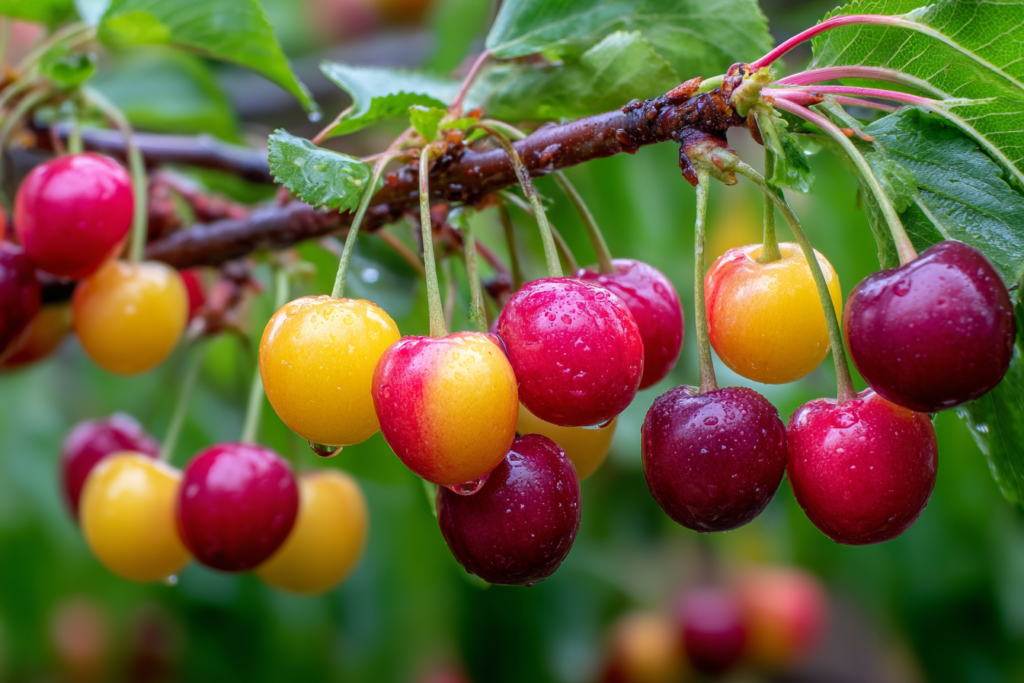
The cherries you pick from your own tree taste considerably different from the ones you buy at the store. They taste better, have more juice, and are worth the wait. You can grow your own dark sweet cherries to eat fresh or tart sour cherries to use in pies and jams.
You’ll need a sunny spot with good drainage, a bare root tree that grows well in your location, and around three to four years to wait for your first crop. This is how to plant your cherry tree so that it will live for a long time and give fruit.
What You Need to Grow Cherry Trees
There are a few essentials to consider before growing cherry trees in your backyard.
The Right Place: Cherry trees need full sun to grow well, so pick a site that gets at least six to eight hours of direct sunlight every day. Try to choose a site that will keep flowers and young fruit safe from strong winds. If you can, choose a place that faces north. These areas are less likely to have late spring frosts and normally get more snow in the winter. This protects the tree from soil heave when the earth freezes and thaws over and over again. Black walnuts release a toxin that is hazardous for many fruit plants, thus you should never plant cherry trees near them.
Soil and Drainage: Cherry trees do best in soil that has a pH level between 6.0 and 7.0 and drains well. Avoid heavy clay that stays moist or sandy soil that drains too quickly. If your soil quality is poor, you can significantly improve its structure by adding compost or other organic materials. For a deep dive into sustainable soil prep, see our guide on how to improve garden soil without chemicals. This is vital because cherry roots could grow sick if they linger in wet soil for too long.
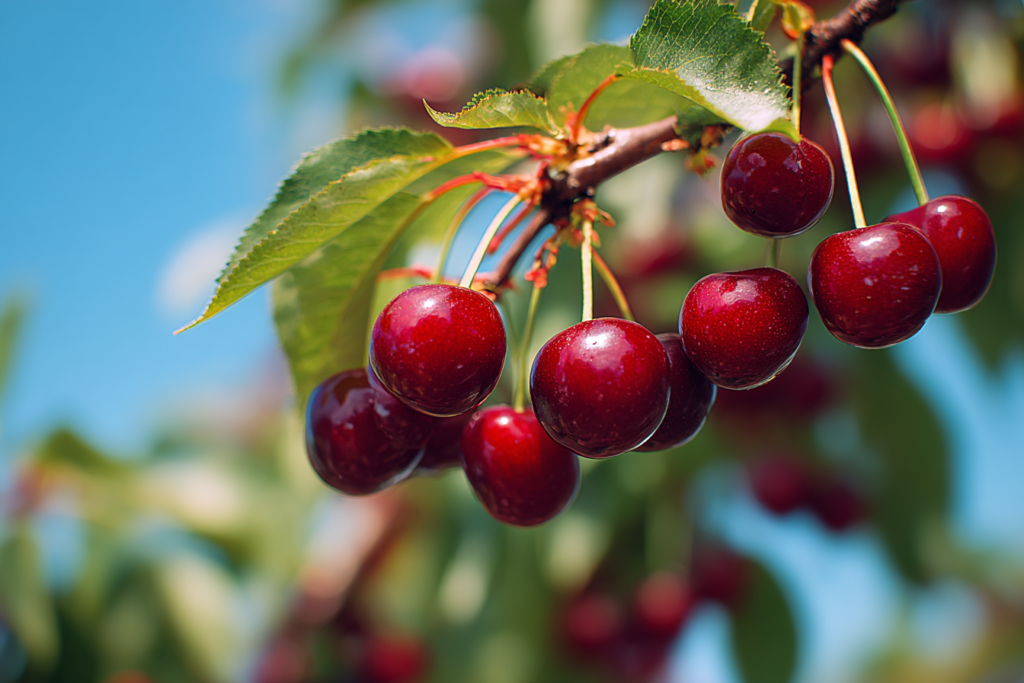
Sunlight is the most critical factor when growing cherry trees for a high fruit yield.
Partners in Pollination: Before you plant, find out how much pollination your type needs. Most sweet and sour cherries can pollinate themselves and make fruit by themselves. But certain varieties, like “Nadia” (a sweet cherry crossed with a plum), grow better when planted near a pollinator that works well with them, such a Japanese plum. Plant two trees close together, no more than 50 feet apart, so that bees may easily move pollen between them.
Space Needs: Make sure your cherry trees are at least 12 feet apart. This gives them room to grow full canopies without being too near to each other. It also keeps the air moving, which helps keep illnesses away.
Climate Match: Make sure the kind of cherry you wish to grow will do well in your hardiness zone. Some gardeners wonder about growing cherry trees in warmer zones like Zone 9.. Check the hardiness information before you buy.
Check your local hardiness zone to ensure the climate is suitable for growing cherry trees.
When to Plant Cherry Trees
As soon as the ground is ready in early spring, plant dormant bare root cherry trees. You want to locate that moment when the ground has thawed but before other trees start to produce leaves, depending on where you are. This early spring planting gives your cherry tree all of the growing season to build roots before winter approaches.
Timing is everything when growing cherry trees from bare roots.
Planting Your Cherry Tree with Bare Roots
Preparing the Tree: Soak the roots of your bare root tree in water for one to two hours before you plant it. This feeds them water again after they are shipped and helps them get a good grip on the ground. Before planting, cut the main trunk back to around 30 inches and the side branches back to 3 or 4 buds. This may seem like a lot, but it helps the young tree build its roots instead of straining to hold up a huge top.
Digging the Hole: The hole you dig to plant should be big enough for all the roots to fit without bending or bunching them up. Digging should be at least 18 inches deep and wide; bigger is better than bending the roots. If you hit hardpan, which is a thick layer of packed earth, use your shovel or pickaxe to break through it. This allows roots go deeper to find more water and food.
This technique, often recommended by experts at the University of Minnesota Extension, helps the roots establish themselves without the stress of supporting a large canopy.
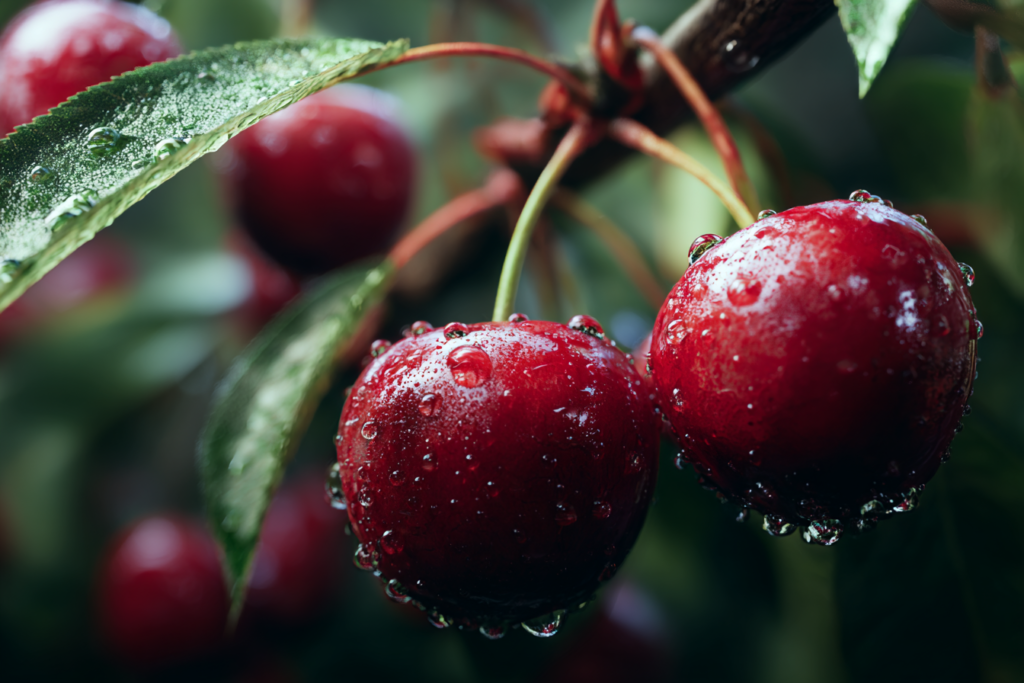
Setting the Tree: Place the tree in the hole such that the roots can spread out without being too close to each other. The bud union, which is where the variety was grafted onto the rootstock, should be just above the soil level after filling. Put soil in layers around the roots, and as you proceed, press down to get rid of air pockets and make sure the soil and roots are in good contact. Don’t put raw manure or fertilizers right into the hole where you’re planting. This can harm the tree and burn the roots of young trees.
First Watering: Water the hole deeply after filling it to soak all the dirt and roots. After the soil has settled following this watering, check the height of the bud union. It should still be just above the ground. If the tree has dropped too low, you can carefully raise it and move it back into place. The tree should start to grow leaves 6 to 8 weeks after planting when the weather gets warmer.
Caring for and keeping up
Watering: Your cherry tree needs a lot of water during its first growing season to make its roots healthy. If it doesn’t rain enough, water each tree deeply once a week with 3 to 4 liters. With a hoe, form a small circle of earth around the tree. This will form a basin that holds water close to the roots.
Consistent watering is a vital part of growing cherry trees during their first year.
Fertilizing: To help your new tree flourish, use a nitrogen fertilizer on it three to four weeks after you plant it. Do not let granular fertilizers touch the trunk directly. Instead, spread them out in a circle that starts a few inches from the trunk and goes all the way to the drip line.
Nutrients help speed up the process of growing cherry trees to maturity.
Mulching: Put 2 to 3 inches of mulch around the base of the tree, 3 to 4 feet away from the trunk. Shredded leaves or other organic matter work nicely. Mulch helps the soil stay moist, keeps the temperature steady, and stops weeds from sprouting. Pull it back a few inches from the trunk to keep moisture from getting on the bark.
Keeping Animals Safe: To keep mice, rabbits, deer, and other animals from harming your trees, use cages, tree guards, fences, or deer sacks. Deer devour limbs and new growth, while mice can girdle young trees by chewing the bark near the ground.
Surface Cultivation: Don’t dig up the dirt around the hole where you planted the seeds. You don’t want to harm the roots that are growing by digging too deep into the dirt around the tree.
Pruning: In the spring, prune back your tree to shape it and train it. This means cutting off damaged or crossed branches and making a strong base of main branches. Make the center of the tree open so that air and light may reach all of its sections.
Choosing Your Cherries
After planting, it normally takes 3 to 4 years to get some fruit, and full production usually starts around year 7, though it can take anywhere from 5 to 10 years depending on the type and conditions. The season to harvest is between June and July, depending on your type and where you live.
Birds are good at telling when something is ripe because they consume it. You know sour cherries are ready when they fall from the tree easily without their stems. You need to taste sweet cherries to make sure they are at their tastiest. They don’t grow any sweeter after you pick them.
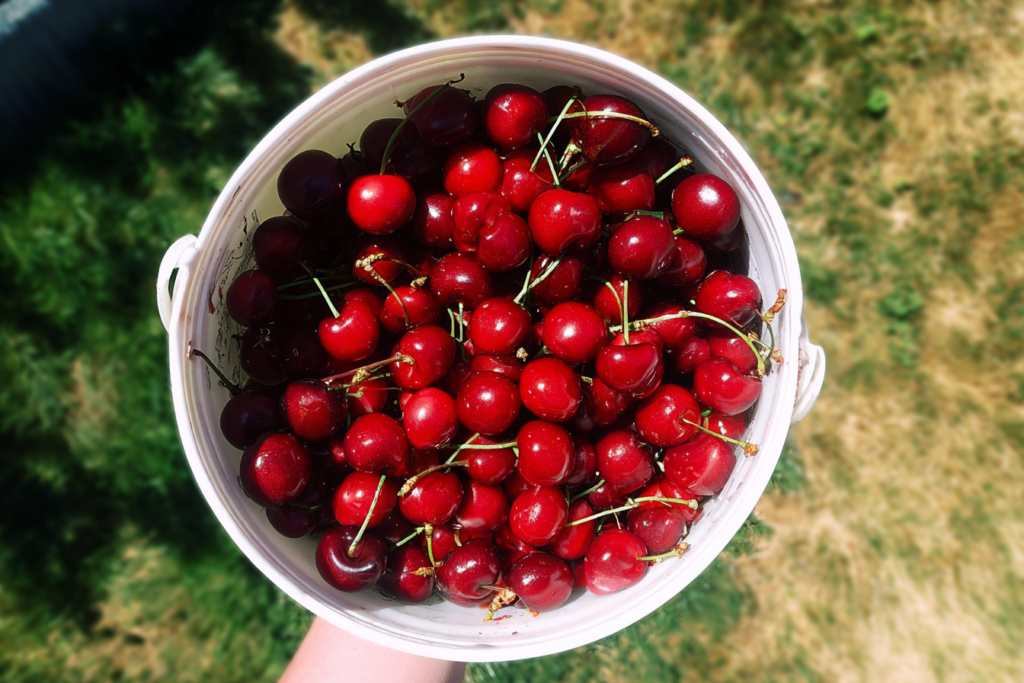
Pick cherries with the stems still on if you want them to last a long time. If you want to cook or can immediately away, you can leave the stems on the tree. Fresh cherries can stay good in the fridge for up to 10 days.
How to Deal with Common Problems
Health Issues: Cherry trees can get sick, especially when it’s cold and wet. Bacterial canker makes branches and trunks sticky and full of water, and it makes fruit more susceptible to have brown rot. Black knot causes stiff, black growths to form on twigs and branches. These growths eventually destroy the twigs and branches by girdling them. When it rains, botrytis creates gray mold grow on flowers, leaves, and stalks. Crown gall causes tissue to grow in odd ways that block water from passing through the tree. Scab leaves dark marks on plants and fruit that could cause them to break.
If you observe any of these problems, the first thing you should do is chop off the parts of the plant that are sick. Trim your tree regularly to let air circulate freely. Don’t water at night or let water collect on the leaves. Call your local Cooperative Extension Service for specific advice on which fungicides to use. They can inform you which items are best for use at home and at business.
Problems with insects: Cherry trees are a favorite food for many pests. Japanese beetles are glossy green bugs that consume the insides of leaves. In the morning, when they’re slow, you can select them by hand and drop them into soapy water. Leafhoppers, lygus bugs (sometimes called tarnished plant bugs), spider mites, and thrips all suck the juices out of plants and can make them sick.
Spider mites enjoy it dry and can make leaves seem yellow and speckled. You can get rid of them by spraying them with water every other day or using insecticidal soap. To get rid of other pests, clean up your garden after the frost. Many of them spend the winter in fallen leaves and plant waste. Your Cooperative Extension Service can help you choose the correct insecticides if natural controls don’t work.
Common Questions About Growing Cherries
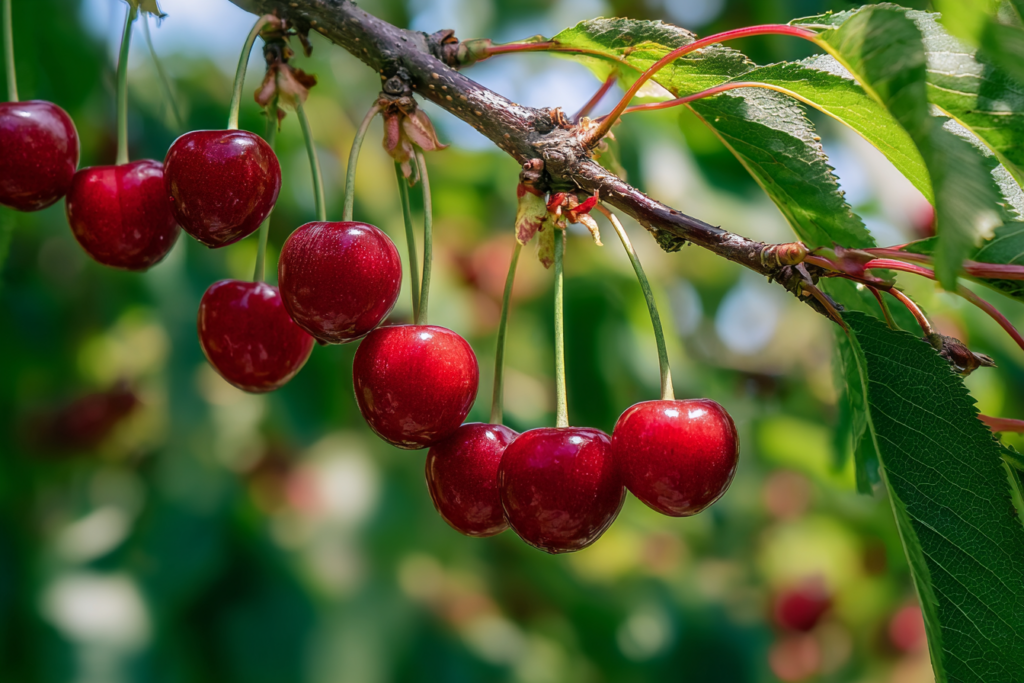
Many beginners ask if growing cherry trees requires more than one variety for pollination.
Can I cultivate only one tree? Most types of sweet and sour cherries can pollinate themselves and generate fruit without needing another tree. But you should constantly check your own type. “Nadia,” the hybrid sweet cherry, is unusual. It thrives best when you put it next to a Japanese plum tree so that the two can cross-pollinate.
Will it work in a hot place? It depends on what kind it is. Most cherry trees need harsh winters, however some, like “Nadia,” don’t need as much cold and can grow well in zone 9. Make sure you know how hardy your type is before you plant it.
You now know how to plant cherry trees and care for them from the time they are simply roots until you pluck them. Choose a sunny place with adequate drainage, plant your tree in early spring, and make sure it gets enough water and stays safe. In a few years, you’ll be able to pick cherries that taste great.
By following these steps, growing cherry trees will become a simple and delicious part of your summer routine.
Author: Clara