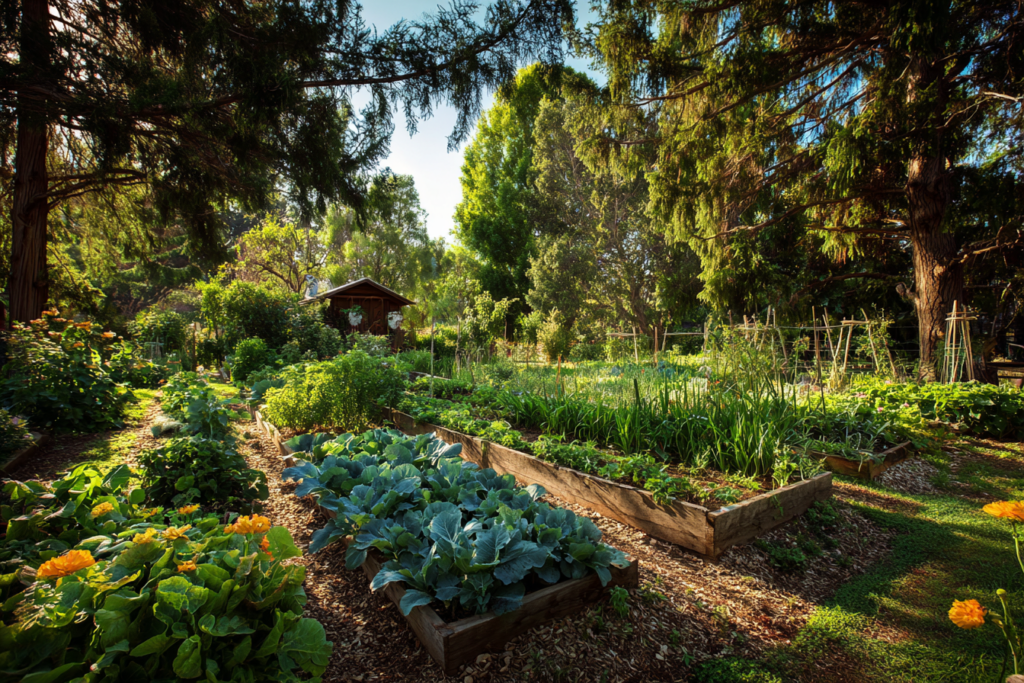
If you want a vibrant yard that is both beautiful and productive, learning how to grow flowers and vegetables together is the perfect solution. Many gardeners rely on perennials for structure, but these plants often leave unsightly gaps once their spring bloom fades. By interplanting annuals and edibles, you can maintain a lush, colorful landscape from spring through the first frost.
You may really plant annual flowers and veggies right in your existing perennial beds. It adds color that lasts to empty spots, and you receive fresh fruits and vegetables without tearing up half your yard.
Learning About Annuals and Perennials
A quick review of what makes these plants unique. Perennials come back year after year because their roots are so robust. Some are woody, like shrubs and trees, while others die down to nothing in the winter and come back in the spring. Annuals only live for one season. Most veggies and many popular flowers that you would like to cultivate are annuals.
This is how I prefer to think of it: Your couch is made of perennials. They stay in place and are the most important part, with everything else working around them. You may change out annuals whenever you want something new or when they start to look old, just like throw cushions and art on the walls. A few good selections can radically affect how a room feels. Your garden beds are the same way.
Why You Should Grow Flowers and Vegetables Together
You can have a row of plants that looks great in April but stays green all summer. Hey, lilacs! Or you put in some little bushes that will grow into a hedge over time, but right now? They’re these little things with big spaces between them.
Both problems are fixed by annuals. They add color that lasts long after perennials have had their (admittedly stunning) time in the sun. You may also play with the colors by making them soft and subtle or by using stark contrasts that truly stand out.
And edible plants (some people call it “foodscaping,” which sounds nicer than it is) let you grow your own food without ruining your yard. If you’ve never grown veggies before, this is one of the easiest ways to do so. Also, plants that you can eat can be really beautiful. Have you ever noticed how architectural kale looks? Or those thin, delicate asparagus leaves?
Another good thing to note is this. More types of plants mean more biodiversity, which attracts pollinators and helpful bugs. They help everything in your garden grow better.
Planting a mix of species is backed by experts; for instance, the The Old Farmer’s Almanac suggests that companion planting is the best way to naturally deter pests.
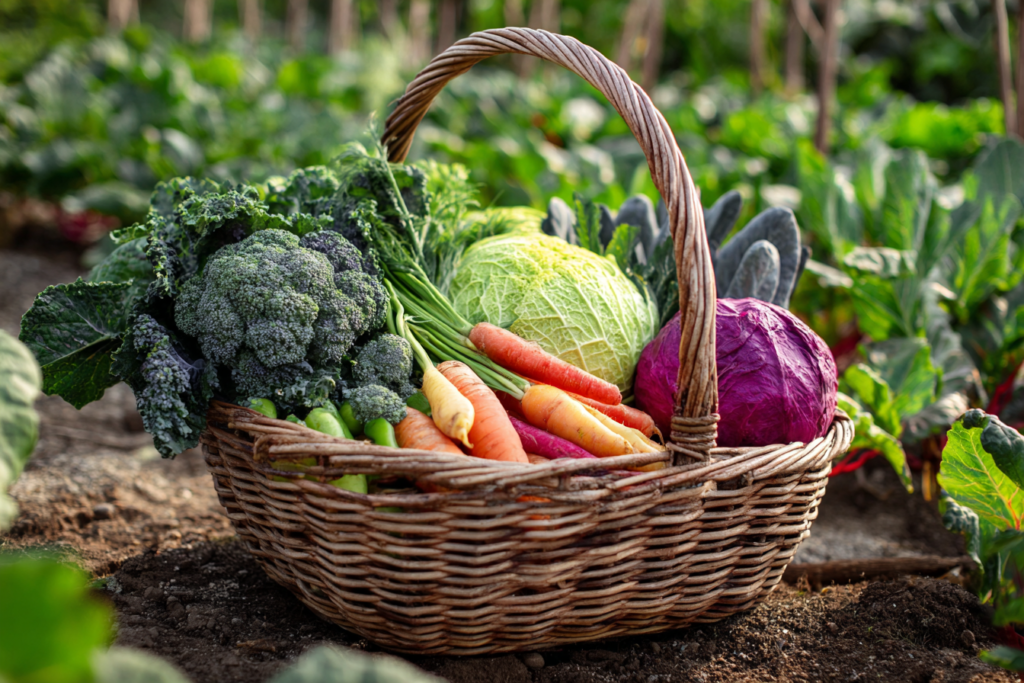
Best Strategies to Grow Flowers and Vegetables Together in Small Spaces
Before you start putting annuals all over the place, make sure you have a good base of perennials already in place. You won’t know where to put things if you don’t have it, and you can wind up with a bed full of plants that die at the end of the season.
You can start adding flowers and vegetables once your perennials are well-established. It can be scary to change mattresses that are already set up. But really, it’s not that hard to figure out where things go if you take your time.
Look for Your Openings
Take a walk around your beds and look for places where annuals could grow. Front margins are perfect for shorter plants that won’t impede the view behind them. Do you have towering things in the back and short things in the front? That middle area is just right. And those gaps between perennials that are still little and filling in are great places to live. Don’t forget about the space above you, too. If you put a trellis somewhere, you can grow cucumbers or beans without taking up a lot of ground space.
Match What Plants Really Need
This part is more important than you might believe. Check to see what your perennials are already getting. Are they getting full sun? Some shade? Do you give them a lot of water or not much at all? Then choose flowers and vegetables that thrive in the similar conditions. Putting tomatoes (which like the sun) next to hostas (which like the shade) is a waste of time. Your life is a lot easier when everything in one location needs the same kind of maintenance. You’re watering huge areas instead of just a few plants that you like.
Try planting with a friend
If you want to dig into it, certain plants really do help each other out. Beetles won’t come near beans if you plant marigolds alongside them. But other combinations don’t work. For example, garlic and onions can stop beans from growing if they are too near together. You don’t have to worry about this all the time, but it’s good to know.
Timing Is Important
In early spring or late summer, you can plant cool-season plants like lettuce and kale. Pansies and violas are the same way. After your last frost, you can plant tomatoes, peppers, and marigolds. If you don’t, you could lose everything in one frigid night.
Put Them in the Right Place
That small tomato seedling won’t stay small. It might reach 5 feet tall by July. Leave enough space for items to develop without suffocating your perennials (or each other).
Change It Up
The best aspect is that you don’t have to stick with your choices. Some annuals bloom all year, although many of them like either cool or warm temperatures. When things start to look bad, take them out and put in something new. It gives you a good reason to go plant shopping again.
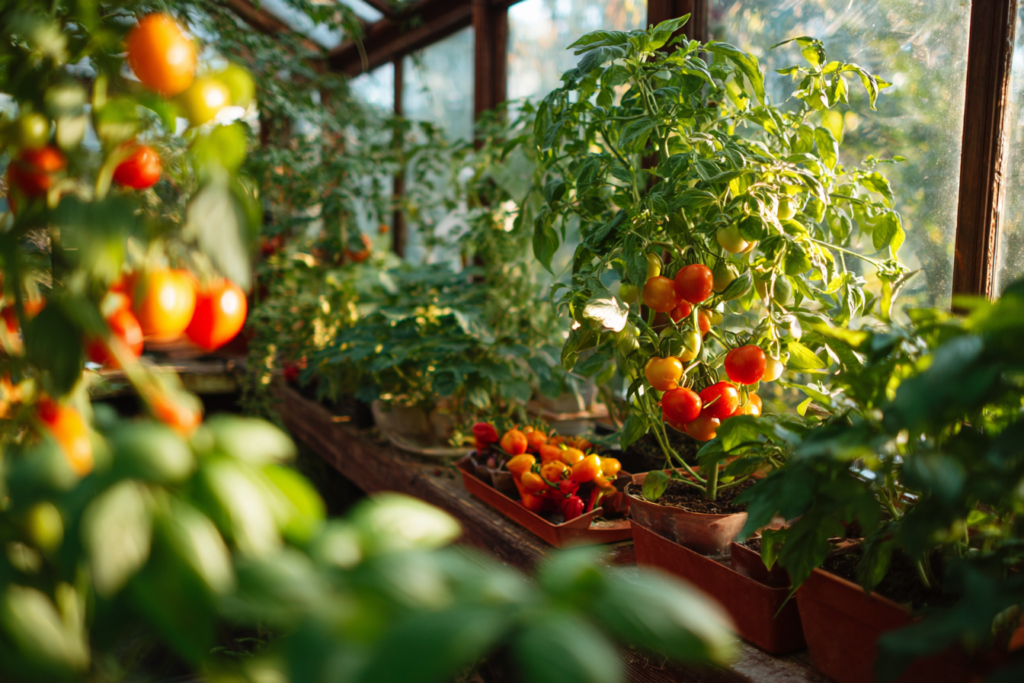
Putting Plants You Can Eat in Your Yard
Let’s talk about real plants and where to put them.
You can let things like melons, cucumbers, or pumpkins grow on the ground between your perennials. They take up space, kill weeds, and provide you food at the end. Both sides win. If you have decorative grasses or places where they would look good, try growing barley or wheat instead. They seem the same as the wispy, flowing ones, but you can actually pick the grain if you want to.
Do you have some strong bushes? Put tomatoes or cucumbers next to them. Instead of staking everything, the veggies can lean on the shrubs for support. Helps you get less work done.
If you already have leafy annuals like coleus in your beds, add some edible plants that feel similar. Purple basil, Swiss chard with vivid stems, and frilly mustard greens all go well together, and most people won’t even know they’re veggies. Then you can pick them for dinner.
It’s worth talking about garlic because it’s so easy. In the fall, plant cloves around the front edge of your gardens. In early July, when it’s time to harvest, they’re easy to get to. The erect green leaves look nice in the spring before you plant annuals.
Putting annual flowers in your beds
You may have fun with flowers. It’s like putting up decorations in a room.
You could go with just one color. For example, bluish-purple violas next to “Blue Grape” Muscari (grape hyacinths) make a beautiful, peaceful spring combination. Or you might do the reverse and choose a strong contrast. What about hot-pink impatiens next to chartreuse hostas? Poppies that are red next to salvias that are blue? Those combinations definitely catch your eye.
If one color stands out in one portion of your yard, use it in other parts as well. If you have a lot of purple along your walkway, you might also add some purple petunias or salvia to the side beds. Everything seems more connected.
Want something else? A moonlight garden with white flowers and silver leaves that almost gleam at night is a great idea. You might also match your flowers to your house by choosing hues that are similar to your front door, shutters, or trim. It catches the eye and makes things look more planned.
Try It Out
Perennials are fantastic for structure, but they’re not the only thing you need. Adding veggies and annual flowers to your beds is what makes them go from nice to truly interesting. If you’re worried about it, start small. Put a few tomatoes in one place and some marigolds in another. Check out what works. You can always make changes as you go.
Frequently Asked Questions (FAQ)
Adding these to the bottom of your post helps you rank for “People Also Ask” queries on Google.
1. Will vegetables take away nutrients from my perennial flowers? As long as you provide adequate compost or a balanced organic fertilizer, they can thrive together. Since many vegetables are heavy feeders, it is best to add a layer of mulch or compost around the base of your edibles when planting to ensure both the annuals and perennials stay healthy.
2. Can I plant vegetables in the shade with my hostas? Most vegetables (like tomatoes and peppers) require at least 6 to 8 hours of direct sunlight. However, if you have a shadier perennial bed, you can still plant leafy greens like spinach, lettuce, or Swiss chard, which are much more tolerant of partial shade.
3. Do annual flowers attract pests to my vegetable plants? Actually, it is often the opposite! Planting flowers like marigolds, nasturtiums, and calendula can act as “trap crops” or natural deterrents for pests like aphids and beetles, while simultaneously attracting pollinators that help your vegetables produce more fruit.
4. How do I harvest root vegetables without hurting perennial roots? For root crops like carrots or garlic, try to plant them in the “drip line” or outer edges of the bed where the perennial roots are less dense. Using a narrow hand trowel instead of a large shovel will help you lift the vegetables with minimal disturbance to neighboring plants.
Author: Clara