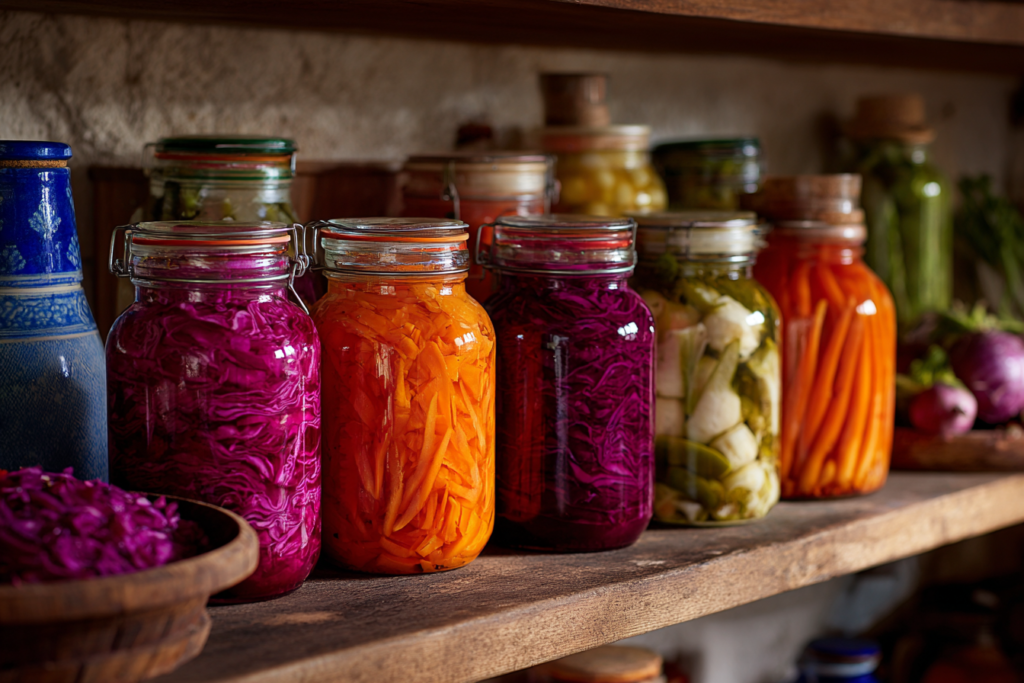
Learning the art of pickling vegetables provides you colorful jars to share with others.
When it comes to Pickling, cucumbers get all the attention, but you’re missing out if you stop there. Learning how to pickle your own veggies or fruit provides you colorful jars to share with others or keep for yourself, as well as tasty toppings for sandwiches and salads. No judgment.
What Pickling Really Does
When you start pickling vegetables, you are employing vinegar’s acid and salt to keep your harvest fresh.
Pickling employs vinegar’s acid, salt, and spices to keep practically any fruit or vegetable you throw at it fresh. Refrigerator pickles are the easiest kind. You just cut them up and season them, then let them sit for a few days to get the flavor. In the fridge, they’ll last for approximately a month.
Canning the old-fashioned way requires more work, but it keeps pickles good for at least a year on the shelf. You boil jars of vegetable pickles, which kills the enzymes and microbes that are naturally present on vegetables. If you put your vegetables in a compost pile instead of pickling them, the same bacteria would break them down. The boiling also gets rid of oxygen and makes a vacuum seal. When the jars cool down and the lids make that delightful “ping” sound, you know it worked.
What You Can Really Pickle
Cucumbers are the clear choice. By far the most popular. But most vegetables, like jalapeños, eggplant, garlic, corn, and tomatoes, pickle just nicely. You can even pickle watermelon rind, plums, peaches, and apples if you get inventive.
Kelly McVicker, who operates McVicker Pickles in the San Francisco region, says that cauliflower is a good veggie for novices since it stays crunchy longer than most other vegetables. When you eat pickles, the crunchiness is more important than most people think.
You may also mix and combine. Add thin, crinkle-cut carrots and kohlrabi sticks to your dill cucumbers. Have a bunch of vegetables left over from the end of the season? Find a recipe for Italian giardiniera or chow chow relish. Both are basically ways to “pickle everything you’ve got left.”
Getting Your Fruits and Vegetables Ready
One of the best parts of pickling vegetables is getting your fruits and produce ready for the jar.
Peel or scrub everything you’re pickling. Remove any areas that are soft or broken. Cut big fruits and vegetables into spears, quarters, or rounds so that they fit better in jars. But don’t pack them in too tightly; the brine and spices need to be able to get around each item to work.
Adding different colors to jars makes them appear nice as garnishes or side dishes. Mix together carrots that are yellow, cream, red, and orange. Green and yellow string beans. Beets that are red and gold. If you boil purple carrots and beans for canning, they can lose their color. So, for traditional canning, don’t use them or only use them for refrigerator pickles.
Picking Your Spices
The flavor profile for pickling vegetables can range from simple white vinegar to complex chai spices.
Some vegetable pickles taste good with just salt, sugar, and vinegar. The most prevalent kinds are white vinegar and apple cider vinegar. For example, red onions don’t need much more than that.
The typical cucumber pickle mix of garlic and fresh dill goes well with a lot of veggies if you want extra taste. The same goes for spices for bread and butter pickles, like celery seeds, mustard seeds, cinnamon sticks, allspice berries, hot pepper flakes, and cloves. Dill string beans, carrots with peppercorns and mustard, radishes and beets that are sweet and sour.
Modern mixes also work. McVicker puts chai spices on nectarines. If you like to roast cauliflower with curry and cumin, try those same flavors in cauliflower pickles. Onion and okra taste great with turmeric, smoked paprika, and cumin. Try things out. If you make a jar of pickles you don’t like, that’s the worst that can happen. Even bad pickles are usually still good.

How to Serve Your Pickles
It’s clear that pickled vegetables are great on salads, wraps, and sandwiches. Everywhere you would expect. But they also make great side dishes on their own or on charcuterie platters, where the bright color and acidity cut through rich cheeses and meats.
McVicker cuts up pickled carrots or cauliflower and adds them to thick soups cooked with cream or cheese. He then adds a little brine. The acidity cuts through anything rich or creamy. It makes sense, much like when you squeeze lemon over rich fish.
Pickled beans or carrot sticks make a Bloody Mary taste better. Adding pickled fruits to mixed beverages makes them look more interesting. Makes people chat at parties.
The Brine Reuse Hack
Even if you are new to pickling vegetables, you can use the brine reuse hack to get started instantly.
If you’re not ready to fully pickle yet, here’s a simple trick: Keep the brine from pickles you buy at the supermarket or the farmer’s market. Put it in a pot and heat it up. Put newly blanched veggies, such green beans, into the empty jar. Put the boiling brine on top of them and let them sit for a few days.
It also works with hard-boiled eggs that have been peeled. A cool snack during summer.
Throw away the brine after using it once. You can also use leftover pickle brine instead of vinegar in salad dressings, which is a fairly smart idea.
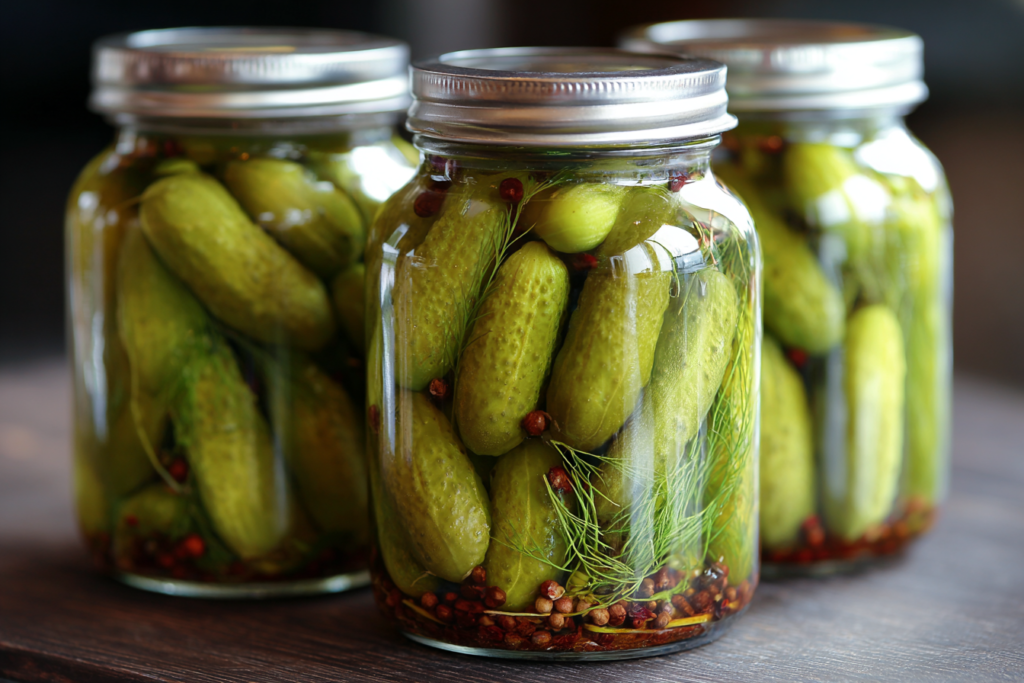
Food Safety is Important
Food safety is the most important rule when pickling vegetables for long-term shelf storage.
Download instruction manuals from trusted sources if you’re new to canning or haven’t done it in a while. Visit the National Center for Home Food Preservation for safety standards. The U.S. Department of Agriculture and the National Center for Home Food Preservation both contain useful information. FreshPreserving.com from Ball contains instructions and recipes for each type of produce that will keep you safe.
This is more important than it seems. You don’t want botulism in your canned food, which can happen if you don’t do it right. Pickles in the fridge aren’t as dangerous because they’re kept cold and consumed quickly, but you need to do it right if you’re preserving anything for the shelf.
Starting Out
Pickling looks hard until you do it once. Then you see that it’s essentially just boiling up the liquid, packing the jars, and waiting. If the thought of canning scares you, start with refrigerator pickles. If you’ve already pickled some red onions or green beans, regular canning won’t seem like such a big deal.
And to be honest, it’s nice to see rows of bright pickle jars in your cabinet or fridge. Even if the rest of the garden is a disaster, it makes you feel like you have your act together.
Author: Clara