One of those times when all the work is worth it is when you bite into a sun-warmed strawberry you just picked from your own garden. There’s nothing like the sweetness, the juice pouring down your chin, and the satisfaction of knowing you nurtured it yourself. You would assume that growing strawberries is hard, but it’s not. You can either grow strawberries in a big garden bed or just a container on your patio.
Here’s all you need to know about picking the appropriate plants, taking care of them all year, and picking berries when they’re at their best.
Picking the Right Type of Strawberry
Strawberries grow low to the ground and spread out. They send out runners (botanists call them stolons) that come from the mother plant and grow roots in the soil around them. Because of this natural spreading, a few plants can eventually grow into a useful patch.
There are three primary sorts to pick from, and the perfect one for you will depend on your environment and how you intend to use the fruit. As the name suggests, junebearing strawberries make most of their fruit all at once, usually around June. When you want a lot of berries at once, this concentrated harvest is great for producing jams and preserves. The bad news is that they can be hurt by frosts in late spring, so if you live in a place where cold snaps last into early summer, you might want to look into other possibilities. Since each plant lasts for several seasons and sends forth a lot of runners, your patch will keep going year after year with little work. “Earliglow,” “Jewel,” and “Sweet Charlie” are some of the most popular types.
Everbearing strawberries do things differently. You can expect a good harvest in June from varieties like “Seascape” and “Evie-2,” but lighter crops in the summer and fall. This continuous production means that you can get fresh berries for months instead of weeks, which is ideal if you like to eat them right from the garden. The downside is that everbearing plants make fewer runners, so you’ll have to buy new plants more often to keep your patch full of flowers. If you are growing in pots, try for types like “Mara Des Bois” or “Ruby Ann,” which do very well in pots.
Alpine strawberries are a whole other thing. If you’ve been to Europe during berry season, you’ve definitely seen these little, very tasty berries in fresh markets. They don’t make runners at all, but they can handle cold and shade better than other plants that do. Alpines are sometimes called woodland strawberries. They perform better in cooler weather and don’t need as much direct sunlight as other species. You can grow a combination of alpine types or try something exciting like “Alpine Yellow Wonder,” which has yellow fruit.
How to Get Started
| Type | Best For | Harvest Time | Notable Feature |
| Junebearing | Jams & Preserves | One large crop in June | Produces many runners |
| Everbearing | Fresh Eating | June, Summer, and Fall | Fewer runners; consistent fruit |
| Alpine | Small spaces/Shade | Throughout summer | Tiny, intense flavor; no runners |
Strawberries aren’t very picky, but if you get a few things perfect, your harvest will be much better.
Where: It doesn’t matter what kind you choose; sunshine is important. During the peak season, strawberries need at least eight hours of direct sunlight every day to grow the most fruit. Even more is great. They also prefer soil that drains well, is loose, and has a lot of organic matter in it. Raised beds are great because you can regulate the soil and drainage completely.
People don’t usually know this, but you don’t need a separate berry patch. Strawberries are great ground cover plants that stay low to the ground. You may plant them around the edges of flower beds, in rock gardens, or wherever else you want a plant that works hard. They also do great in big pots made for more than one plant.
Plants: Usually, when you go shopping, you have three choices. When you have bare-root plants, they are dormant and seem rather sad—brown, thin, and not much to look at. But if you give them sun and water, you’ll see new green leaves in about a week. Starter plants already have leaves and maybe even a bloom or two. They started right away. If you want to create a big patch, seeds are the cheapest way to go. The little dots on the outside of strawberries are seeds. You can start them inside in late winter and then move the seedlings outside when it becomes warmer.
Things you need: You’ll need a well-balanced granular fertilizer (such 4-4-4 or 3-6-4 for vegetables), mulch (straw or dry grass clippings work well), and basic gardening equipment.
When to Plant
In early spring, when the ground is warm enough to work in, put bare-root plants or seedlings in the ground. Frost won’t hurt strawberry plants, so don’t worry about it. If you can’t plant in the spring, you can also plant in the fall.
Putting Plants in the Ground
Follow the directions on the packaging to mix the granular fertilizer into the soil before you begin. This gives your plants the nutrients they need straight away.
Before you plant bare-root plants, you need to do some work. Put the roots in room-temperature water for about two hours. This will wake them up and rehydrate them. Cut the roots back to about three inches, and while you’re at it, get rid of any dead leaves or spent flowers.
When you’re ready to plant, use a trowel to make a hole that lets the roots grow in a natural way. Here’s the most important aspect: when you put the plant in the hole, the crown (the part where the green top meets the roots) should be level with the soil. If you plant it too deep, the crown can decay before it can grow. The roots won’t be able to get enough water if it’s too shallow. For starter plants that already have leaves, just plant them at the same depth as they were in their original pot.
Put each plant about a foot apart. Yes, at first they will look scant. Alpine strawberries can be a little closer together, but most strawberries require that space to grow roots and get air. Your patch will fill in rapidly than you think as the runners start to grow.
The hardest part is pinching back the flowers.
This could be the hardest advise to follow, but it’s worth it. You need to pinch off the flower buds when they start to form on your plants. I know you’re delighted to obtain berries, but I’m advising you to take off the part that turns into fruit. But taking away those early blossoms makes the plant focus its energy on establishing a strong root system and lots of top growth. Later, you’ll have a much bigger harvest of bigger, juicier berries.
For strawberries that bear fruit in June, pinch back all of the blossoms for the first season. The plants will be healthier and more productive the next June, but you won’t get any fruit that first year. With everbearing types, pinch back the flowers until early July of the first year. After that, let them bloom and fruit for the remainder of the growing season. It’s a compromise that still makes the plants stronger and gives you some berries to eat.
Ongoing Care and Upkeep
Weeds don’t like strawberries very much, so mulch is your friend. After you plant, put approximately an inch of straw or dry grass clippings around the plants. This keeps weeds from growing, makes the soil moisture level more stable, and keeps the fruit from touching the ground, where insects and fungi might hurt it. Take out any weeds that get through the mulch.
Water is simple but very necessary. Your plants need approximately an inch of water each week, either from rain or extra watering. When you do water, make sure to wet the ground surrounding the plants well. Then, before watering again, let it dry out. This helps roots grow deeper.
Taking care of runners will keep your patch healthy and productive for a long time. Cut off any runners that the plants make in the first year. You want all that energy to go into the mother plants. Let each plant keep four runners in the second season. These will grow roots and turn into new fruiting plants. Take away any plants that aren’t producing fruit by the third year. Most strawberry beds stay productive for around five years. After that, you need to start over with new plants in a new spot.
Time to Pick
When the berries start to turn red, you might want to cover the plants with netting. Birds adore strawberries just as much as you do, and they don’t mind waiting for them to be at their best.
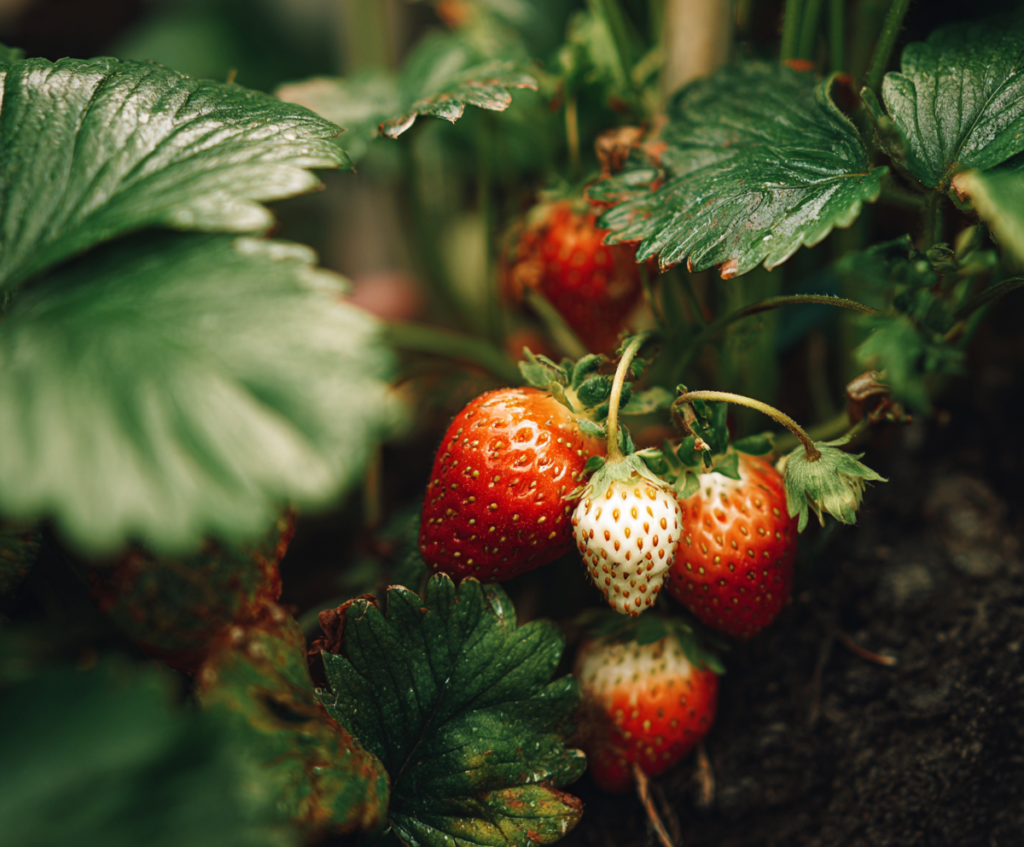
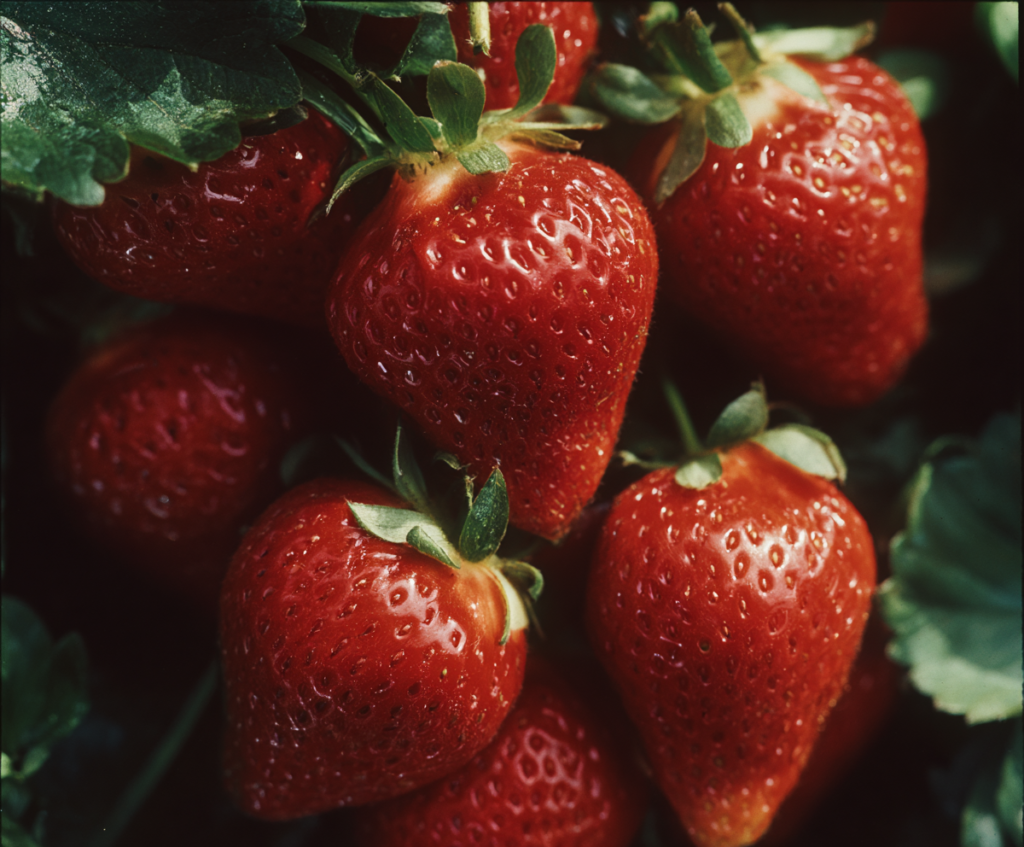
Pick the fruit only when it is completely crimson on the outside and interior. Cut or gently take the berries off, leaving the green caps on. Timing is important when it comes to cleaning strawberries. You should only rinse them shortly before you eat them, use them in a recipe, or store them. Mold and other fungus will grow on berries if they are wet.
How to Store Your Harvest
If you have more berries than you can eat fresh (which is a fantastic problem to have), you have choices. You may store them in the fridge for about five days before they start to go bad. Spread them out on a baking sheet and freeze them for around 24 hours to keep them longer. Then, put them in freezer bags. Let them thaw for a few hours before you use them.
Another fantastic choice is jams and preserves, especially the Junebearing kinds that give you a lot of fruit all at once. Make your jam as soon after picking as you can for the finest taste.
Making Your Patch Work
When the season finishes, experienced farmers “renovate” their strawberry beds, which just involves thinning them down. This stops too many plants from growing, which makes the berries smaller and the harvests lighter. It’s not hard to do, yet it makes a big difference.
During the growing season, pull weeds and then grab those that are still there after harvest. Make sure there are six to twelve inches between the rows by thinning the plants and runners. Leave three to four inches between each plant in a row. Take out the weaker-looking runners and keep the best ones. Cut plants back to the ground after the first frost in the fall. In the spring, give them some well-balanced fertilizer to get fresh growth going.
This is how the cycle works over time. Take off all the runners in the first year to make robust mother plants. In year two, those mothers yield fruit while you let four runners per plant grow into daughter plants. Take away any runners that the daughters try to make so they can focus on growing roots. In the third year and beyond, take out old plants that aren’t growing well. The daughters from the previous year will become your new mothers. It’s time to start over in a new place if the whole bed stops being productive. This rotation keeps your strawberries healthy and stops the soil from losing nutrients.
You now know how to cultivate your own strawberries from planting to harvest and beyond. You will understand why so many gardeners make place for these plants year after year when you pick a bowl of berries that are still warm from the sun.