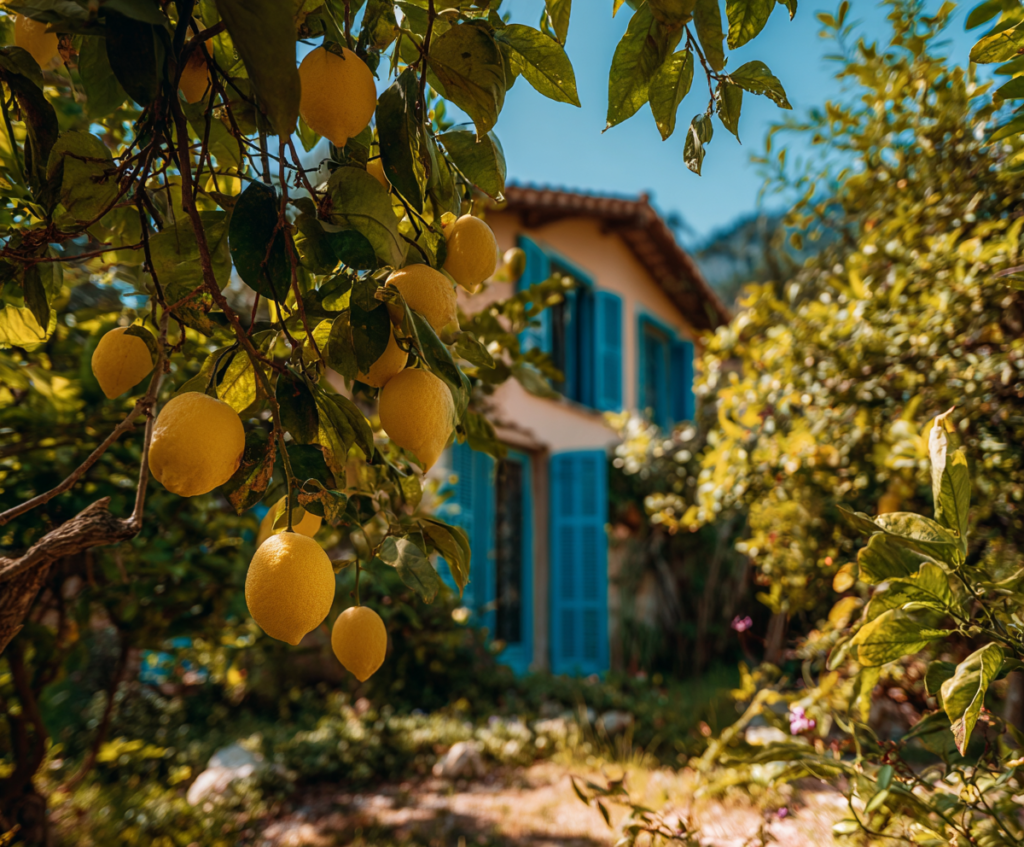
It seems like magic to pick a lemon fresh from the tree in your yard.
Your lemon tree will yield more fruit than you can use if it is healthy and happy. That’s a great problem to have. But you need to know what a lemon tree needs and how to spot problems before they get too bad in order to keep it healthy. Here is everything you need to know about basic care and how to fix the most common problems that crop up.
Getting the Basics Right
Before we start addressing things, let’s go over the basics. Most of the time, problems with lemon trees start because the basics aren’t right.
Light from the sun: The sun is very important to your lemon tree. It needs at least six hours of direct sunlight every day, but more is excellent. If you’re growing in a pot, you might want to put it on a plant stand with wheels. This will make it easy to bring your tree inside when winter comes or to follow the sun as it moves during the day. This is quite helpful if you live in a cold place where frost is a real issue.
Water: You should water your tree around once a week, give or take, depending on where you reside. The goal is to keep the soil moist but not overly moist during the hot summer months. Don’t water if it rains. A layer of mulch helps keep the soil moist, but don’t put it against the trunk. You don’t want water to pool at the bottom since it could damage the roots and make a good home for bugs. Also, when you water the plants, try to keep the leaves dry. Wet leaves can lead to fungal problems later on.
Lemon trees grown in pots need to be watered more often than those growing in the ground because potting soil dries out faster. You should check the soil often and keep it moist all the time, but not so much that it gets too wet. Your pot needs to have good drainage holes so that your roots don’t rot.
Fertilizer: It takes a lot of energy for lemon trees to create all much fruit. Because they consume a lot, you’ll need to fertilize them often to maintain the nutrients where they need to be. Look for a fertilizer that has the correct amounts of nitrogen, phosphate, and potassium. Organic compost is a great way to add organic matter to the soil, but it won’t give your tree enough nitrogen on its own. Feed your tree three times during the growing season: once in late winter or early spring when growth starts, again in late spring or early summer, and finally at the end of summer.
How to Cut Back Your Lemon Tree
Cutting back your tree in the first few years will help it thrive. It makes the tree stronger and gives it a strong canopy that will provide more fruit over time. You can teach the tree to grow tall and slender or short and bushy, depending on what you choose. If you don’t have a lot of space or are growing inside, this is wonderful.
Different kinds of lemons, such Meyer or Eureka, grow at different rates, but the underlying premise is the same. Cutting back long branches and pinching new growth on younger trees helps the tree generate fruit and makes the branches stronger. It might sound unusual, but chopping off some blossoms and fruit from a young tree might help it establish a stronger trunk and structure.
The optimal time to trim is in late winter or early spring, before new growth starts. First, check to see that your tools are clean and sharp. Before you begin, clean them to keep germs from spreading. First, cut off any growth that is dead or unhealthy. Next, clean your tools again before moving on to the healthy branches. You might not think this step is really crucial.
Trim the branches so that the canopy lets in more light and air. Better air flow means fewer disease concerns later on. Cut just above a leaf node and leave at least six inches of the bigger, older branches. The plant could go into shock if you cut too much.
Keep the big picture in mind as you work. If you see two branches growing next to each other, they are battling. Cut out the one in the middle to make things easier. Cut out any stems that come out of the bottom of the tree. These are called suckers. These things drain energy away from the tree but don’t help it develop fruit. In general, you should never chop down more than a third of a tree in a single year. You can chop back up to half of a tree’s branches if you’re trying to salvage it that is in really bad shape.
How to Deal with Common Pests
Some of the pests that like to reside on citrus trees are scale, leafminers, aphids, whiteflies, and mealybugs. You can keep bugs away for a long time if you water and prune your plants the right manner. But even if you work hard, you will probably have a pest problem at some point.
Insecticidal soap or horticultural oil can eliminate most pests that attack citrus plants. You don’t want to burn the leaves, so use it in the morning or late afternoon when it’s cooler. Make careful you read the instructions on the packaging and cover the whole tree, even the undersides of the leaves. That’s where many of these bugs like to hide.
Leafminers leave behind unusual silver trails or tunnels on the leaves. If you see these, cut off the leaves that are damaged and spray the rest of the tree with horticultural oil. Aphids are little, soft-bodied green bugs that like to hang out on new plants. They travel in groups and slowly. You can get rid of them with horticultural oil or ladybugs, which are natural predators, if the infestation is bad.
Aphids, mealybugs, whiteflies, and scale are all bugs that suck sap. Honeydew is a sticky fluid that they leave behind on the leaves after they eat. This stuff can get moldy, which can make it hard for plants to grow and cause leaves to fall off. Most of the time, a solution of soap and water or horticultural oil will get rid of them quickly.
Stopping Diseases Before They Spread
Lemon trees can get sick from a multitude of bacterial and fungal diseases. Getting them early makes a tremendous difference.
Bacterial explosion causes black spots to form on the leaf stems and makes the leaves coil up before they die and fall off. Cut off the diseased sections right immediately if you observe this to stop the sickness from spreading. You can also use copper sprays before the rainy season to keep bacterial infections from spreading. You may also minimize the risk by trimming when it’s dry.
It’s easy to find citrus canker once you know what to look for. It makes the leaves’ surfaces rough or bumpy. If you don’t catch them, these spots will slowly become holes. To stop the disease from spreading, cut off any diseased growth and spray the tree with copper.
Botrytis and root rot are the two biggest fungal diseases you’ll have to deal with. It’s hard to treat with root rot since by the time you notice yellowing leaves and slow growth, the disease has usually spread a lot. Depending on the type of rot, the tree may already be too far gone to salvage by the time the symptoms show up. Stopping it from happening is the best approach to keep yourself safe. Don’t let water sit at the base of the tree, and don’t give it too much water. If it rains, you don’t need to water as much, and if you live in a naturally wet environment, you might not even need mulch.
Botrytis harms the fruit directly, causing it to fall off too quickly and get harmed. Trimming regularly keeps the air moving, and using copper fungicide as a preventative strategy can stop botrytis before it starts.
If the leaves don’t seem right,
Leaves might occasionally look sick even if you don’t see any bugs or disease. If the leaves are yellow, brown, or curled, it’s usually a warning that they don’t have enough nutrients. You can figure out what’s wrong with the leaves by testing the soil if you don’t think pests are to fault. Once you know what the problem is, you can fix it by altering the fertilizer.
The weather can also damage the foliage of lemon trees. Frost, hail, sunburn, and wind can all hurt leaves and twigs. You can’t change the weather, but you can chop down the parts that are damaged to keep them from becoming areas where germs can get in. If your tree is in a pot, moving it to a protected spot during harsh weather makes a tremendous difference.
If you water your plants too much or too little, it can also cause leaves to fall off. This is frustrating because both of these things can produce the same problems. Depending on where you live and what time of year it is, it takes some work and observation to find the right balance. If your leaves are dropping off, pause and think about how often you water them. Sometimes a small alteration can make a great effect.
How to Keep Your Tree Healthy for a Long Time
Your lemon tree will offer you fruit every year if you take care of it and watch it. Getting enough sunlight, watering frequently, and fertilizing periodically are the most crucial things to remember. You should also find problems early on when they are easier to fix. Do you not have room for a huge tree? You may enjoy all the benefits of fresh lemons even in small spaces with container gardening. You can even move the tree around as needed to provide it the ideal growing conditions.