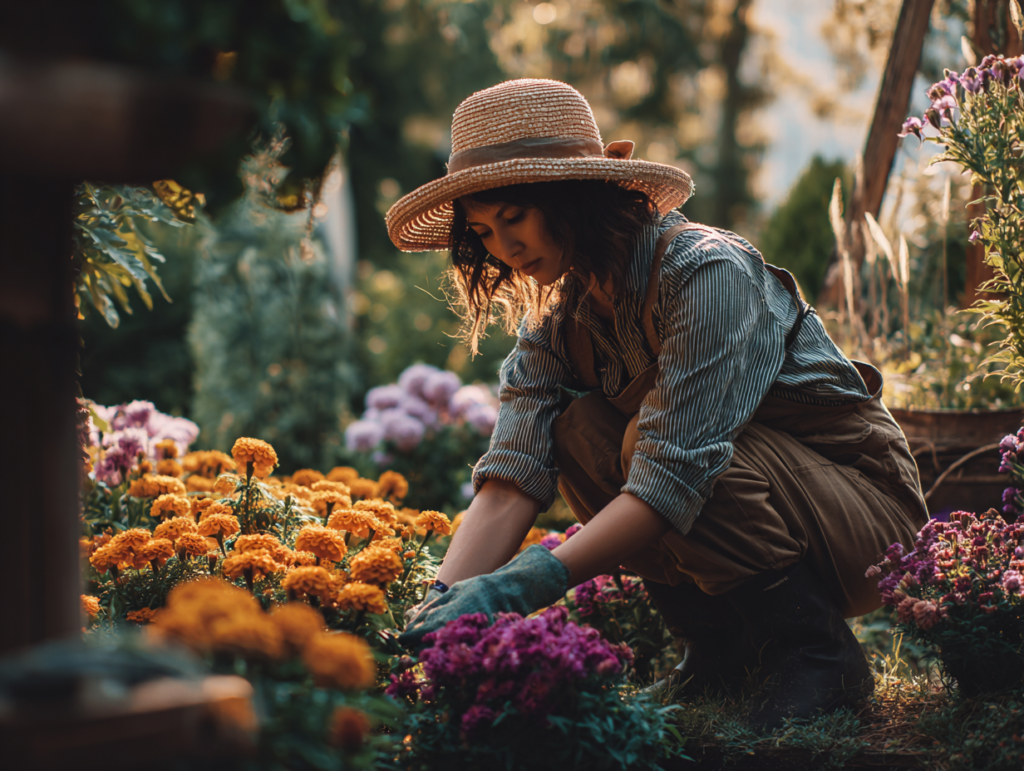
If you want a vibrant garden next year, knowing the best perennials to plant in fall is the secret to success. While many homeowners believe autumn is only for cleaning up, it is actually the prime season for establishing a landscape that flourishes from late winter through June. The combination of warm soil and cooler air creates the perfect environment for these perennials to plant in fall to build deep, resilient root systems before the first frost.
Why Planting in the Fall Works
In the autumn, the best perennials to plant in fall get exactly what they need to thrive. The air is colder now, so plants don’t have to worry about the heat or losing water rapidly. The soil is still warm from summer, which helps roots flourish. You won’t have to water as much in the fall because it rains more often than it does in the spring when you plant perennials. This combination lets roots expand out and settle in before they go to sleep for the winter. Because these plants have robust roots, they don’t have to spend energy settling in when spring comes. Instead, they start to grow right away.
What to Plant to Keep Things Interesting All Year
Using perennials that bloom at different times is the best approach to plant in the fall. This will add color and intrigue to your garden all season long.
Winter wonders: Flowers can blossom in the winter. Hellebores feature flowers that hang down and are white, pink, and dark purple. They break through the freezing earth. Next are snowdrops, which have delicate white bells that can bloom even while the ground is still covered in snow.
The best perennials to plant in fall for early color are Hellebores and spring bulbs.
Spring bulbs for the first color: Crocus flowers come in a variety of purple, pink, yellow, and white colors and designs. There are big, flashy trumpet daffodils and small, quiet ones. If you want flowers that last longer, plant a mix of both. Tulips are the most colorful flowers in spring gardens because they come in reds, pinks, oranges, and even almost black.
You can buy blends that are already prepared or make your own with bright and gentle colors, stripes, or fringed edges. If you buy bulbs in the early, middle, and late spring, you’ll have flowers for weeks. The purple balls of alliums fill the area between spring and summer, while the sweet-smelling, frilly lilies keep the display continuing into early summer.
Early-blooming perennials: On the first warm days, creeping phlox blankets slopes and rock gardens with pink, purple, white, or blue flowers. Poppies make the countryside look brighter when their orange and red blossoms bloom. Irises are wonderful for spring displays because their tall branches and big, showy flowers stand out. Their sword-shaped leaves stay attractive even after the flowers fall off.
Summer stalwarts: When the sun shines, daisies and daylilies smile. Peonies feature blossoms in white, pink, and red that are layered and smell good. They look beautiful in flower beds and as cut flowers. Try adding some color to the pretty yellow “Itoh Bartzella” peony or the coral-colored “Coral Charm” if you like them.
Monarda’s spidery red, pink, or purple blossoms attract both pollinators and those who like them. If you want something that doesn’t need much care, coreopsis is an excellent choice because it blooms all summer long with very little work. The “Warm Summer” echinacea series contains vivid reds, oranges, and yellows instead of the purple cones that are common. If you like dark leaves, “Starry Starry Night” hibiscus is the plant for you. It features huge flowers and strong leaves.
the best perennials to plant in fall include Peonies, Daisies, and Monarda.
| Plant Type | Best Planting Time | Bloom Season | Sunlight Need |
| Tulips | Late Fall | Spring | Full Sun |
| Hellebores | Early Fall | Late Winter | Shade/Partial |
| Peonies | Early Fall | Late Spring | Full Sun |
Asters and chrysanthemums bloom beautifully in the fall when most other perennials are withering. These flowers offer color to the fall. “Autumn Gold” is a type of perennial sunflower that blooms the most in the fall. It adds a beautiful yellow color to the late-season landscape.
Preparing Your Planting Area
Planting perennials only once will make them come back for years. This is your single chance to set things up for long-term success. First, check the pH of your soil to make sure it’s good for the plants you’re cultivating. Add a lot of compost to your beds and loosen the dirt. This will provide the new roots a place to grow and nutrients to help them grow right away. Biochar helps the ecosystem that helps plants grow over time work when it is added to the soil.
Put each perennial in the correct spot so it can develop well. Some plants do best in full sun on soil that drains well, while others do best in partial shade with a steady supply of water. A lot of plants are in the middle. Before you plant something, make sure you know what it needs. Also, think about how the weather changes from one season to the next. You can plant a lot of spring bulbs under big trees that lose their leaves in the fall because they will bloom before the leaves come out and block the sun.
How to Plant Your Perennials in the Fall
The time of year is important when you move perennials. If you can, plant on a warm, cloudy day or right before it rains. These conditions help plants establish their roots quickly after being relocated.
Read the planting depth instructions on the plant tags very carefully. Perennials might not survive the winter if the soil is too thin. They might not be able to push through the ground in the spring if they are too deep. Peonies are very picky about how deep they are planted. You won’t get flowers if their “eyes,” which are the tips of the tubers where new growth appears, are not close to the surface of the soil. Most bulbs should be planted three times as deep as they are tall, however other bulbs may need to be planted in a different way.
Carefully massage the dirt around the roots of the plants when you put them in their holes to make sure they are in good contact with the soil. But don’t push it down too firmly, because that could stop oxygen from getting to the roots and kill them. Make sure to give everything a good drink once you plant it. This packs the soil around the roots and gives the plants the water they need to grow.
Put a layer of natural mulch, such grass clippings or crushed leaves, around your new perennials. This keeps the soil moist as the plants take it in and keeps the temperature in the top few inches of soil from changing too much. If you don’t protect them, freezing and thawing during the winter can push perennials straight out of the ground. The natural materials will break down and feed the soil all winter long.
Dividing Up Old Perennials
Fall is the greatest time to split up perennials that are already in your yard and add extra plants. Two plants that are easy to divide are daylilies and hostas. Carefully dig around the edge of the plant, then shake or rinse off the extra soil so you can see what you’re doing. Some plants and roots fall apart easily with a little bit of constant pressure. If the clumps are too huge, you need a sharp knife or spade to cut through the root mass. Next year, replant divisions in other spots to get more color. You can also fill in any gaps with spring bulbs or other kinds of plants.
How to Care for Perennials in the Fall
Always check the tag. If you choose to plant in fall too deep, they won’t sprout; too shallow, and the frost might kill them.
Trimming back the dead leaves on some perennials makes it harder for bad insects and fungi to hide. Cut back the leaves on your daylilies, peonies, and hostas when they die. Fold the iris leaves into a little fan shape. When perennials go dormant, cut off their woody stems. This is especially important if the old leaves tend to droop and perish in cold weather. This trash draws in slugs and gives bugs a place to lay their eggs in the decaying leaves.
But don’t cut anything down. Don’t cut off the seed heads of echinacea, coreopsis, or ornamental grasses. In the winter, birds, chipmunks, and other animals that eat seeds will come to your yard. Grasses and hardier perennials that look attractive in the winter, especially when frost covers them, also give little animals a place to shelter. You can cut these back in early spring, when your perennials that you planted in the fall are ready to come up.
If you reside in the north or at a high altitude where winter storms bring snow and ice, cover new plants with an extra layer of fall leaves or mulch. This insulation keeps the soil temperature steady, which stops seeds from sprouting too quickly when it’s warm and protects roots from the coldest temperatures.
Planning for Your Situation
Think about the weather in your location when you pick fall perennials. If your area has had lengthy periods of drought or not enough water, seek for plants that can tolerate these conditions. These plants are beneficial for the environment, and they provide you flowers and leaves without you having to water them all the time. Many perennials can survive dry conditions after they are established. This makes planting in the fall even better because the plants have months to build deep roots before the summer heat comes.
You now know how to make the fall a time to enjoy instead of just a time to clean up. Planting perennials this fall will give you a jump start on spring color that will last for years. If you’re new to planting in the fall, try planting spring bulbs first. They’re simple to grow, and the flowers are so pretty that you’ll want to get more next fall.