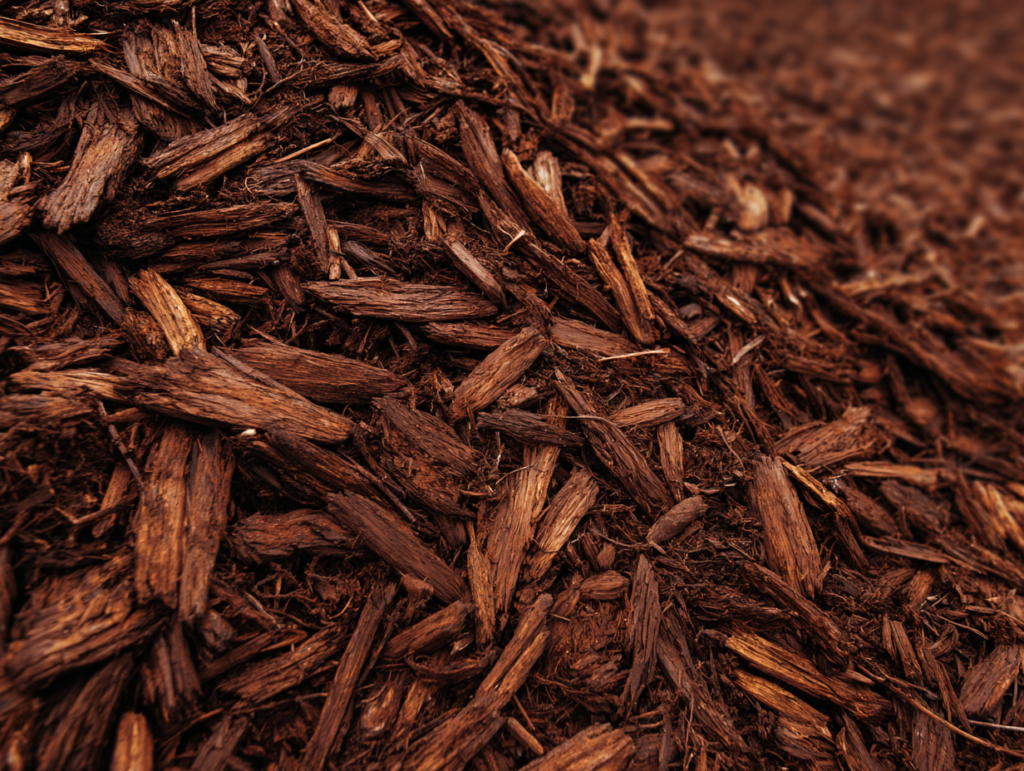
Mulch is one of the nicest things you can do for your plants. It keeps the soil’s temperature and moisture levels stable, stops weeds from forming, and makes plants healthier overall. But here’s the catch: if you don’t take care of your mulch, it can harden into a crusty coating that keeps water from getting to the roots of your plants. When the mulch hardens and locks water out, your plants will still be thirsty and stressed out, even if you water them every day.
What Makes Mulch Hard in the First Place?
You can stop problems before they occur if you know what’s going on in your mulch layer. In the summer, organic mulches are hot because they break down. When they dry out in this heat, they are more likely to get fungus, which makes the surface thick, dusty, and matted. This thick shell blocks water from getting to the soil and roots underneath.
Common Mistakes That Lead to Hardened Mulch
Many things we do every day make it more probable that hardening may happen. When you put down too much mulch and don’t turn it, the weight of the mulch pushes everything together until it makes a firm mat.
- Mulch Volcanoes: When you place mulch right up against the stems of plants and trees, it sits still, becomes hot, and produces that hard crust.
- Chemical Additives: Some colored mulches have chemicals in them that can keep water away when it’s sunny and dry.
- Soil Mixing: If your mulch has gotten mixed with dirt over time, it won’t drain well. The earth fills in the air pockets and keeps the water from getting to your plants’ roots.
How to Put Down Mulch at the Right Depth
If you get the appropriate depth from the start, you can avoid most problems with hardness.
The 2 to 4 Inch Rule
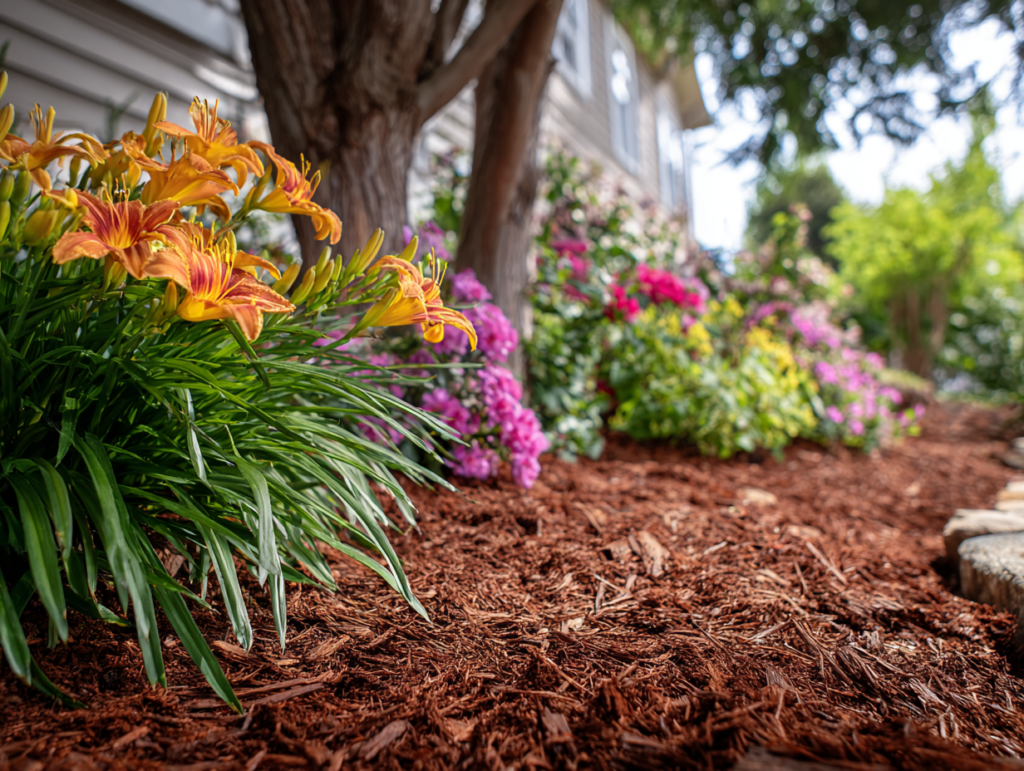
Don’t apply more than 2 to 4 inches of mulch around your plants. A layer that is more than 4 inches thick hurts roots by blocking oxygen flow and making things too hot as they break down. If you’re using mulch that is coarsely textured or double-shredded, stick to 1 to 2 inches.
The Danger of Thin Layers
You can’t mulch if it’s less than an inch thick. It will be simpler to water, but the thin layer won’t keep the water in, and weeds will be able to get through it rapidly.
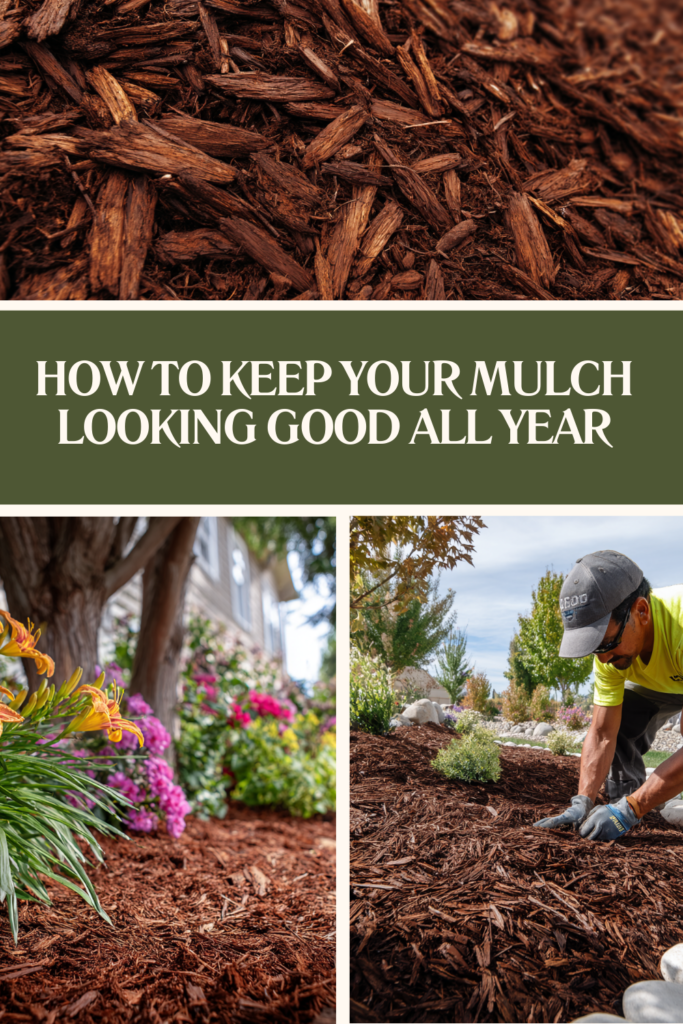
How to Keep Your Mulch Looking Good All Year
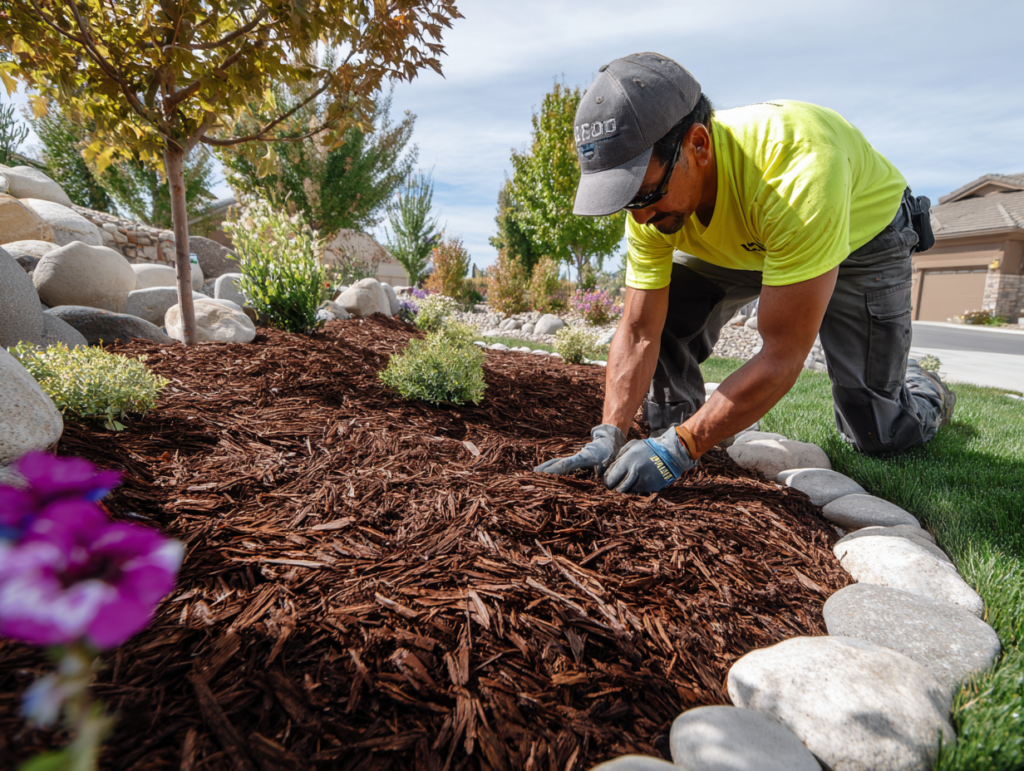
You should mix and turn your mulch on a regular basis during the growing season. This stops the soil from growing too hard and breaks up any clumps that are starting to form.
Maintenance Techniques
Use a rake to break up the hard pieces. If your plants are young or weak, turn the mulch by hand so you don’t hurt the roots close to the surface. If you touch mulch and it crumbles like dirt, it has completely broken down and should be thrown away.
Seasonal Refreshing
You should change your mulch twice a year—once in the spring and once in the fall. Don’t just dump new mulch on top; mix it in with the old layer. This stops layers from forming on their own, which can create barriers.
How to Choose and Get Good Mulch
Choosing High-Quality Sources
If you get mulch from a place you don’t trust, it can include weed seeds. Additionally, mulch from hay fields or pastures often has old herbicides in it that can hurt your plants.
Comparing Mulch Varieties
In the garden, different types of mulch work in different ways:
- Pine Straw and Shredded Bark: Excellent for aeration.
- Nut Hulls and Seaweed: These tend to stay loose longer than wood-based mulches.
- Dyed Mulch: Be cautious of unknown colorants that might make the soil dry out.
Choosing the Right Material: Hardening Risk Comparison
Not all mulches are created equal. Some are naturally “loose,” while others are prone to forming that dreaded hard crust. Use this table to decide which material is best for your gardening style.
| Mulch Type | Hardening Risk | Best For | Pros / Cons |
| Pine Bark Nuggets | Low | Perennial beds & Trees | Pros: Large chunks allow great airflow. Cons: Can float away in heavy rain. |
| Pine Straw | Very Low | Acid-loving plants (Azaleas) | Pros: Never gets “hard”; lets water through easily. Cons: Breaks down quickly. |
| Shredded Hardwood | High | Slopes & Decorative paths | Pros: Stays in place well. Cons: Most likely to mat and become hydrophobic. |
| Leaf Mold / Compost | Medium | Vegetable Gardens | Pros: Adds incredible nutrients. Cons: Can dry into a crust if not turned. |
| Arborists Chips | Low | Large landscapes | Pros: Free or cheap; various sizes prevent matting. Cons: Can look “messy.” |
What to Do When Mulch Doesn’t Work
Fixing Hydrophobic Layers
If water beads up and runs off your mulch instead of soaking in, you have a hydrophobic layer. Putting additional mulch on top won’t fix what’s wrong below. Use a rake to break up the crust and throw away anything that has gone bad.
When to Start Over
If the mulch has dirt mixed in it, you’ll have to scrape it up and start over. Adding a new layer of clean material is usually faster than mending a mix of mulch and soil. Remember: mulch stays on top of the earth, and compost goes into it.
Summary: Keeping Your Garden Healthy
If you want your plants to stay healthy, you need to take care of your mulch. It’s easy to remember the basics: put down the correct amount, turn it occasionally to keep it loose, and replace material that has totally broken down.