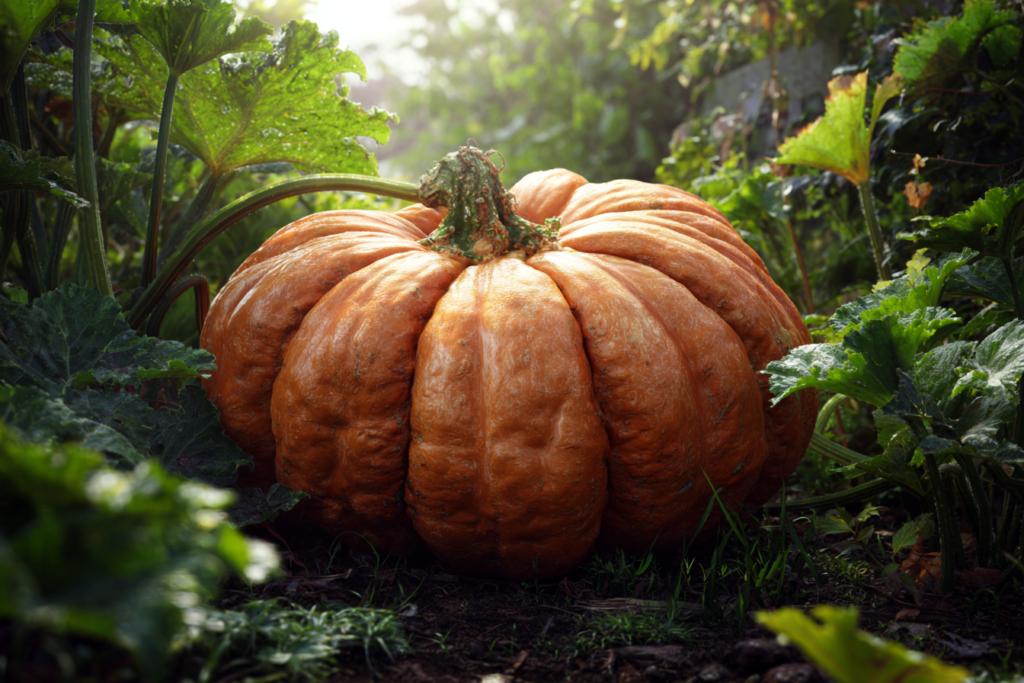
If you want to grow a giant pumpkin that weighs 300 pounds or more, you are in the right place.
One of the most rewarding things to do in the garden is to grow a pumpkin that weighs 300 pounds or more. You’ll be able to see your huge fruit grow week after week, and when it’s time to pick it, you might have a winner for your local fair. Even if you’ve never grown a pumpkin before, here’s everything you need to know to grow a huge one in your own garden. You only need a lot of room, good soil, the correct kind of plant, and a promise to keep it well-fed and watered all season long.
How to Grow Big Pumpkins
Space: To successfully grow a giant pumpkin, your vines need a lot of space; each plant should be 15 to 20 feet apart. A pumpkin that weighs 300 pounds needs about 100 leaves to mature, so the vines keep getting longer as the season goes on. Before you plant, make sure you have the right amount of space and plan how your garden will look.
Sunlight: Pumpkins need full sun all through the growth season to get as big as they can. These plants love the sun and won’t grow well in partial shade.
Soil: You need soil that is loose, drains well, and has been improved with compost. Adding homemade or store-bought compost to your planting area has two purposes: it helps the soil drain properly so the roots don’t sit in water, and it gives the plants the nutrients they need to grow. Soil that is always damp will make pumpkins rot, therefore drainage is just as important as fertility.
Seeds: If you really want to grow giants, pick seeds that were bred for size. Atlantic Giant is an heirloom that has grown to record-breaking levels. The current world record holder weighs more nearly 2,700 pounds. First Prize Hybrid is a better choice because it makes pumpkins that weigh up to 300 pounds on a regular basis. You have a good chance of growing something amazing with either type.
For officially recognized giant seeds, you can check theWorld Class Giant Pumpkin Growers community for tips and record-breaking genetics.
Water supply: Giant pumpkins need a lot of water. Once the fruit starts to grow, you’ll need to give it 15 to 20 gallons of water per week. Make sure you can easily get to water in your growing area.
When to Plant Your Seeds
When you begin your journey to grow a giant pumpkin, start your seeds indoors three to four weeks before the last frost. Biodegradable fiber pots are the perfect size for growing pumpkin seeds. You may plant the whole pot immediately in the ground afterward. Your seedlings are ready to go outside when they have four or five leaves and the temperatures at night stay above 65 degrees F.
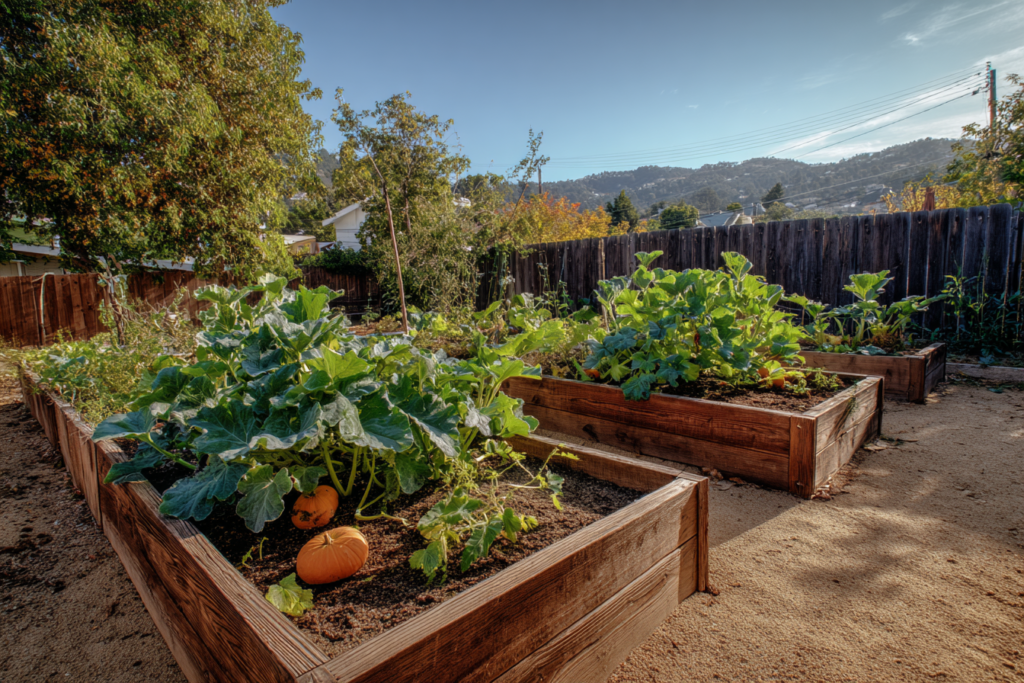
Getting Started and Planting
When you’re ready to move your plants, make little hills in your garden by piling soil up to 4 to 6 inches high. These slopes swiftly get rid of extra rain, which keeps the vines from decaying in wet situations. To give each plant room to stretch out, space your hills 15 to 20 feet apart.
For the first two weeks, you might want to use a floating row cover to safeguard your newly transplanted seedlings. This light woven fabric lets air, water, and sunlight get to the plants while keeping out bugs, hungry animals, and bad weather. You can take it off later when the female flowers show up, but putting it on early gives your plants a good start.
How to Take Care of Your Growing Giants
Watering: Your pumpkins need a regular supply of water, especially as the fruit grows. Push your index finger a few inches into the hill to see if the soil is dry. If it is, it’s time to water. Instead of watering the leaves, pour water directly onto the mound where the roots are growing. The type of soil you have will determine how often you need to water. Soil that is mostly clay keeps moisture longer than soil that is mostly sand, therefore it needs to be watered more often.
Feeding: Pumpkins naturally have nitrogen, phosphate, and potassium, but if you want to grow a giant pumpkin, you still need to nourish the plant heavily during the growing season. Use a high-nitrogen source like blood meal to help all that leaf and vine growth when the vines start to spread. When the flowers start to bloom, use a more balanced recipe, such as Burpee’s Natural Organic All-Purpose Granular Plant Food. If you feed your plants too much, they won’t develop quicker and may even become sick. So be sure to read the box carefully.
Weed control: Weeds take water and nutrients from your pumpkin, so maintain your patch as clear as you can. A covering of natural mulch keeps the soil moist and stops weeds from growing.
Flower management: Pumpkin plants start to bloom in early July and have both male and female flowers. The male flowers bloom first, and then the female flowers bloom. You can tell the females apart from the males by the little swelling at the base of the flower that will turn into a pumpkin. When you take off your floating row cover, insects can pollinate the blossoms, and fruit will start to grow.
The most important choice: This is where raising a giant needs some rough love. Once each plant has grown a few softball-sized fruits, you should choose one or two of the strongest-looking pumpkins and get rid of the rest. This directs all of the plant’s energy and resources on those specific fruits, which helps them grow very large and heavy. Also, cut off any new blossoms and side branches that grow. They will only take resources away from your growing giants.
Keeping Pests Away from Your Crop
Cucumber beetles, squash bugs, and squash vine borers are the pests you’ll see the most often. Cucumber beetles and squash bugs both suck the juices out of plants and can transmit bacterial wilt, a disease that kills plants quickly. Your floating row cover protects these bugs from settling in when the plants are still small at the beginning of the season.
It’s harder to deal with squash vine borers. Adult moths lay little, flat brown eggs near the base of the plant. These eggs develop into cream-colored larvae with brown heads that are about an inch long. These larvae dig tunnels into the vines within 6 inches of where the plant comes up from the ground and empty them out. If you see a plant that is withering, look closely at the base for tiny holes filled with wet, greenish or orange sawdust-like material called frass. This is a sign that borers are at work.
Protecting your vines is vital if you want to grow a giant pumpkin, and silver mulch can help keep these pests away. Adult squash vine borers spend the winter in the soil near their host plants. So, each year, try not to grow pumpkins or other cucurbit family crops in the same place. At the conclusion of the season, take out all the dead vines and trash from your garden. This will make it less likely that bugs will make it through the winter. Check for egg clusters near the base of your plants often during the growing season and remove them to keep the number of them under control.
Getting Your Big Harvest In
After you move large pumpkin types outside, they usually take approximately 120 days to fully grow. After that, they will keep growing and getting bigger. You can leave your pumpkin on the vine until early fall, but you should pick it before the first frost, which can hurt the fruit.
If you have a pumpkin that is too heavy for you to lift, plan ahead for how you will transport it when it comes time to harvest it. One wise thing to do is to carefully lift the pumpkin while the vine is still connected and put it in a wheelbarrow. The fruit will keep getting heavier while it’s in the wheelbarrow, and when it’s ready, you can just roll it away.
When your enormous pumpkin stops getting bigger or when the first frost threatens, you’ll know it’s time to pick it. You shouldn’t be able to go through the rind with your fingernail. Because giant pumpkins have strong stems that are hard to cut, you should use garden loppers or perhaps a pruning saw to take the fruit from the vine. If you want to enjoy your pumpkin over the winter, let it cure for a couple of weeks in a cool, dry spot away from direct sunshine before putting it in long-term storage.
You now know how to grow a huge pumpkin. If you choose the appropriate type, give it lots of room, take care of it regularly, and get lucky, you might be surprised by how big your harvest gets.
Author: Clara