One of the finest things about summer is fresh-picked fruit, and growing blueberries is surprisingly easy to do in your own yard. The good news is that they are surprisingly easy to grow in your own yard.
These tough bushes bloom with gorgeous white flowers in the spring, have berries that are delicious and sour and full of antioxidants, and have bright gold-red leaves in the fall. As a bonus, the flowers that blossom in the spring will attract bees and other pollinators, which will help all of your plants grow better. You may enjoy Growing blueberries for years to come if you have the correct soil, a sunny area, and some patience.
What You Need for Growing Blueberries Successfully
The Right Soil: The first secret to growing blueberries successfully is managing your soil acidity. Blueberries need two things from the soil that they can’t live without. First of all, drainage is quite important. Don’t plant blueberries in a place where water stays for more than a couple of days after it rains. The shrubs will get root rot and other fungal diseases. Second, these plants like acidic soil and need soil with a pH of about 5.0. (You can check the USDA Guide to Soil pH to understand why acidity matters).With a basic soil testing kit, you can quickly check your soil to see how it is doing.
After you find out your pH, add some organic matter to the soil when you plant, such compost or leaf mold. This makes the ground a healthy place for the roots to dwell. If you add compost to your plants every year, they will stay well-fed for years.
Proper Spacing and Drainage: When you begin growing blueberries, proper spacing is vital to prevent fungal diseases. You might want to plant your blueberries in hills that are 12 to 18 inches higher than the normal soil level. This helps the water drain better and allows the roots a lot of room to grow. Space each plant about three feet apart. This space lets air flow around the plants, which helps stop fungal diseases from spreading.
Sunlight: One common mistake in growing blueberries is choosing a spot with too much shade. Plant your blueberries where they’ll get at least six hours of full sun every day from spring to fall. This will help them grow a lot of berries. Direct light from dawn to early afternoon is best. Blueberries can handle some shadow, especially in the late afternoon, but if they don’t get enough sun, the plants may look healthy but not produce as much fruit as you’d want.
Changing the pH of Your Soil: If your soil test shows that the pH is too high (over 5.5), you can safely lower it by mixing horticultural sulfur (also known as elemental sulfur) with peat moss. Mix these changes into each hole you plant. This procedure takes time. You should expect a drop of roughly 0.5 points per year, which is actually perfect. Changing the pH too soon can hurt the good bacteria in your soil that help your plants stay healthy. Be sure to read the directions carefully, because too much sulfur might be bad for you.
Watering is a critical part of growing blueberries because their roots are quite shallow.
When to Plant Blueberries ?
The best time to plant blueberries is in the spring after the last frost or in the fall before the ground freezes. This provides the roots time to settle in before they have to deal with the stress of summer heat or winter cold.
Putting Your Blueberry Bushes in the Ground
After you’ve chosen a sunny, well-drained site and gotten the dirt ready, dig holes for your new shrubs. They should be deep enough so that the plants are at the same level as they were in their nursery pots. Not deeper or shallower. In this case, the width is more important than the depth. Make the holes twice as broad as the root balls so the roots can spread out readily in the first several weeks.
Use a mix of finished compost (either homemade or store-bought) and about 10% peat moss to fill up the holes. After putting each plant in its spot and filling in around it, water it well. This helps the dirt settle around the roots and gets rid of air pockets. For the first few months, when the plants are getting used to their new home, keep the soil moist but not soggy.
The hardest thing is getting rid of any flowers that bloom in the first season. You’re basically choosing not to pick that initial harvest, but there’s a solid reason for it. Those flowers drain energy away from the roots, which is what you want your plants to do to build a strong foundation underground. Your plants will be healthier and more fruitful for decades if you are patient. If you plant blueberries in the appropriate place, they can live and make fruit for 40 to 50 years.
About Pollination: Blueberry blossoms have both male and female components, thus one bush can pollinate itself. That being said, most types will provide you a higher harvest if you plant two plants close to each other. They don’t have to be the same kind, but they should be comparable kinds, like all highbush or all lowbush.
How to Take Care of Your Blueberry Plants
Setting Up and Trimming: For the first two full seasons, let your new blueberries grow without any trimming. Starting in the third year, you should trim the shrubs in late winter, right before the buds start to swell and wake up from their winter sleep. Cut off any branches that are growing toward the middle of the bush instead of outward. This lets air flow through the plant’s interior, which keeps fungal diseases from spreading. Cut off any branches that are broken or damaged that you see as well.
When the plants are done making fruit, clip all the stems down to the ground. They will grow again the next year, but it will take them a year to start making fruit again. If you want to keep all of your blueberries from dying in one year, consider cutting half of them back one year and the other half the next. In this approach, you’ll always have some bushes with fruit on them.
Watering Your Blueberries: The roots of blueberries are not as deep as those of fruit trees or other berries. When the top layers of soil dry up, they are weak. If you see that the soil is dry, soak your blueberries deeply instead of just sprinkling them. Watering deeply helps roots grow stronger and makes them more able to handle dry spells. The water will rise to the surface, where the shallow roots can reach it.
Best Results from Fertilizing: A lot of what your blueberries need comes from healthy, compost-rich soil, and those yearly compost treatments really help. Blueberries can still require some more nutrients to reach their full potential. If your plant’s leaves are yellowing or its growth is slow, it may not have enough nitrogen.
Find an organic fertilizer that is made for plants that like acid, such those made for azaleas, camellias, and rhododendrons. These give you nitrogen, phosphate, and potassium. Soybean meal and fish meal are also great organic ways to quickly add nitrogen.
Fertilize your plants in early spring, when they start to wake up from their winter sleep. To keep the roots from burning and to help the plants grow evenly, spread it equally around each one. Always do what the label says. Giving your plants too much food won’t make them grow quicker and could make them more likely to become sick or get pests.
Picking Your Blueberries
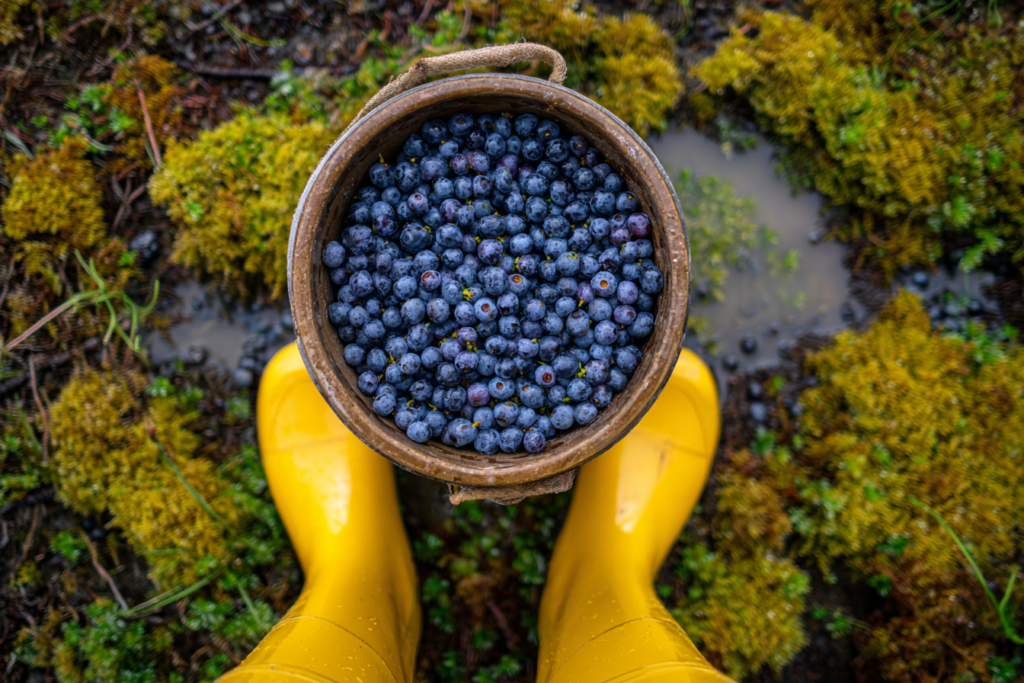
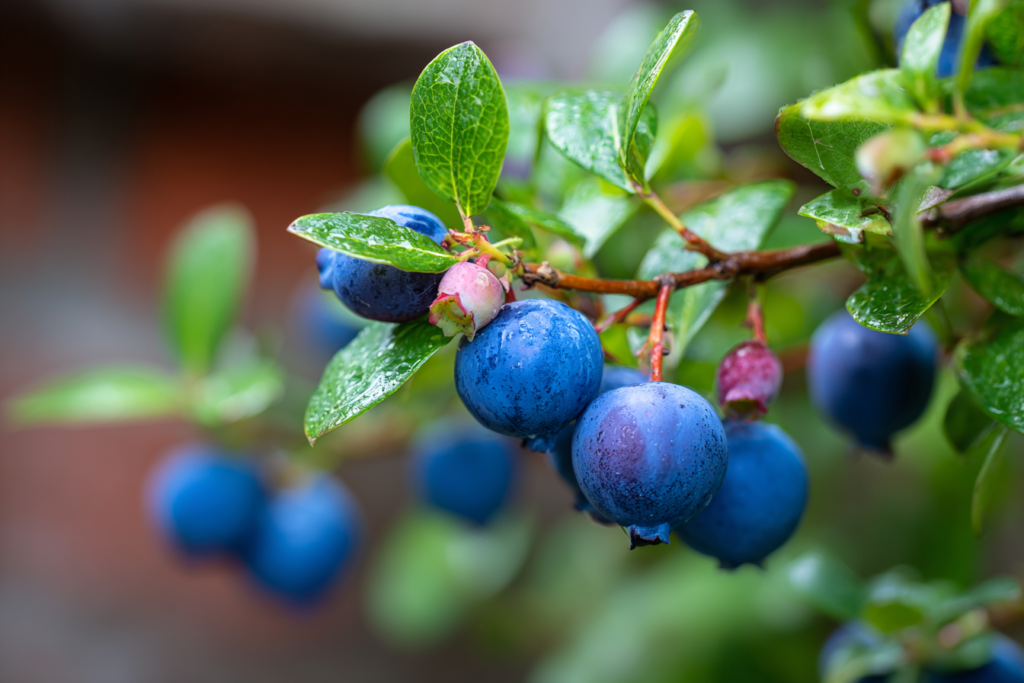
Now the fun part starts. When blueberries are fully blue and come off the stem easily with a light tug, they are ready to be picked. They should be sweet with a little bit of sourness. You can choose the berries over the course of several weeks because they don’t all ripen at once. You can go back to the bushes every few days to pick the new fruit.
Blueberries taste great fresh, but they also freeze well. Gently rinse them out, pat them dry, and then freeze them in a single layer on a baking sheet before putting them in freezer bags. This way, they won’t stick together, and you’ll be able to taste summer all year long.
The Long View
When growing blueberries, you get something back over and over again. If you take care of your bushes and provide them the ideal circumstances to thrive from the start, they will give you four seasons of beauty: flowers in the spring, fruit in the summer, color in the fall, and even attractive branches in the winter. Make sure the soil is suitable, give your plants the sun they need, and stick to a regular care schedule. Your blueberry plot will give you tasty crops for many years to come.
Author: Clara